Written By Divya
Edited By: Divya | Published By: Divya | Published: Feb 28, 2026, 02:19 PM (IST)


Written By Divya
Former US President Donald Trump has ordered federal agencies to immediately stop using Anthropic’s AI technology, which escalated a dispute between the company and the Pentagon (headquarters of the United States Department of Defence). Within hours of that announcement, Sam Altman’s OpenAI confirmed it had reached an agreement with the Department of War to deploy its models in classified government networks.  Also Read: Sam Altman vs Elon Musk: AI rivals clash on X after Apple's OpenAI lawsuit
What began as a disagreement over how AI tools can be used by the military has now turned into a high-stakes battle between two of the world’s biggest AI companies and the US government. Also Read: Apple sues OpenAI over alleged trade secret theft linked to AI hardware plans
The dispute reportedly was based on how the US military could use AI tools. Anthropic had maintained that it would not allow its models to be used for mass domestic surveillance or for fully autonomous weapons systems. Also Read: Meta removes controversial AI image feature from Instagram days after launch
The Pentagon, however, insisted that AI vendors must allow their models to be used for any “lawful purpose.” When Anthropic refused to remove those restrictions, tensions escalated quickly. Trump publicly criticised the company, accusing it of trying to dictate terms to the US military. Defence Secretary Pete Hegseth later confirmed the blacklisting, stating that contractors working with the military could not continue commercial relationships with Anthropic.
Anthropic has said it plans to challenge the designation legally, arguing that its safeguards are about safety, not obstruction.
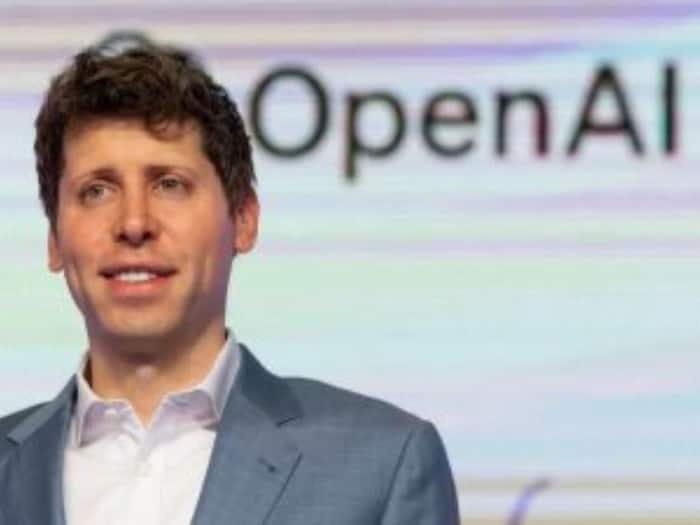
Shortly after the announcement, OpenAI confirmed it had reached an agreement with the Department of War (Pentagon) to deploy its models in classified networks. In a statement shared on X, Sam Altman said the deal includes safeguards. According to him, OpenAI maintains two core principles: a prohibition on domestic mass surveillance and ensuring human responsibility in the use of force, including autonomous systems.
Altman added that the Pentagon agreed with those principles and that technical safeguards would be built into the deployment. He also emphasised that OpenAI wants similar safety standards applied across AI companies working with the government. This isn’t just about one contract.

Anthropic says that current AI systems are not reliable enough for autonomous weapons and that domestic surveillance crosses ethical lines. The Pentagon countered that it already operates within legal boundaries and does not need private companies imposing additional restrictions.

Don't Miss Out the Latest Updates. Subscribe to Our Newsletter Today!