
Written By Shubham Arora
Edited By: Shubham Arora | Published By: Shubham Arora | Published: Dec 06, 2025, 07:35 PM (IST)


Written By Shubham Arora
Meta is said to have pushed the launch of its mixed reality glasses, internally called Phoenix, to the first half of 2027. The device was earlier expected to debut in 2026, but the timeline has now been pushed back by almost a year, according to a Business Insider report citing internal company communications.  Also Read: Why is this country banning WhatsApp? Here’s what’s happening
The decision is said to have come after Meta asked its Reality Labs division to revisit project timelines and spending. Reality Labs is responsible for the company’s AR and VR hardware, as well as metaverse-related initiatives. During a recent internal review meeting with CEO Mark Zuckerberg, senior leaders were reportedly told to prioritise sustainability and quality over faster launches. Also Read: “Follow Indian law or exit”: Supreme Court warns WhatsApp and Meta over data use
An internal memo sent to employees said teams would need to adjust their schedules following the review. It also reportedly made it clear that the delay should not be seen as an opportunity to add more features or expand the scope of the product. Also Read: Oakley Meta Vanguard with Meta AI launched in India: Check features, price, availability
Apart from budget scrutiny, engineers working on Phoenix are said to have pushed for more time to refine the device. Internal messages reportedly described the headset as a complex product that introduces major changes to Meta’s core hardware experience. Executives told employees that the additional time would help ensure a more stable and finished product at launch.
People familiar with the prototype told Business Insider that Phoenix is a goggle-style mixed reality headset that connects to a puck-shaped external module. This external unit is said to reduce heat buildup and make the headset lighter. While the design has reportedly sparked debate internally, it has remained part of the final concept. The headset is said to resemble Apple’s Vision Pro in form, but is expected to be less bulky.
The delay also comes amid reports of tighter budgets at Reality Labs. The division has reportedly spent more than $70 billion since 2021. As part of a broader cost review, Meta is now expected to cut budgets by up to 30 percent. These reductions could impact several teams, including those working on Horizon Worlds and the company’s AR and VR hardware efforts.
Even as Phoenix faces delays, Meta is continuing to bet on AI-powered wearables. The company has confirmed that it has acquired Limitless, a startup behind an AI-enabled pendant that can record conversations and generate summaries for users. Financial details of the deal were not disclosed.

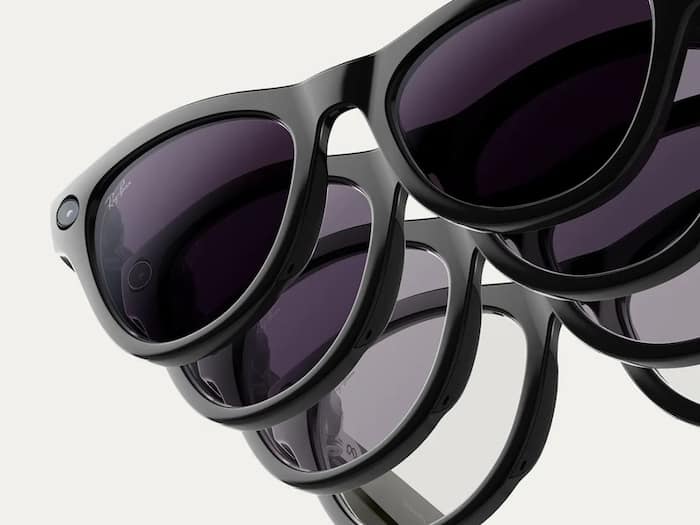
The acquisition highlights Meta’s growing focus on AI hardware, following the steady adoption of its Ray-Ban smart glasses, which integrate Meta’s AI assistant and have seen positive traction in recent months.

Don't Miss Out the Latest Updates. Subscribe to Our Newsletter Today!