
Written By Shubham Arora
Published By: Shubham Arora | Published: Feb 12, 2026, 12:17 PM (IST)


Written By Shubham Arora
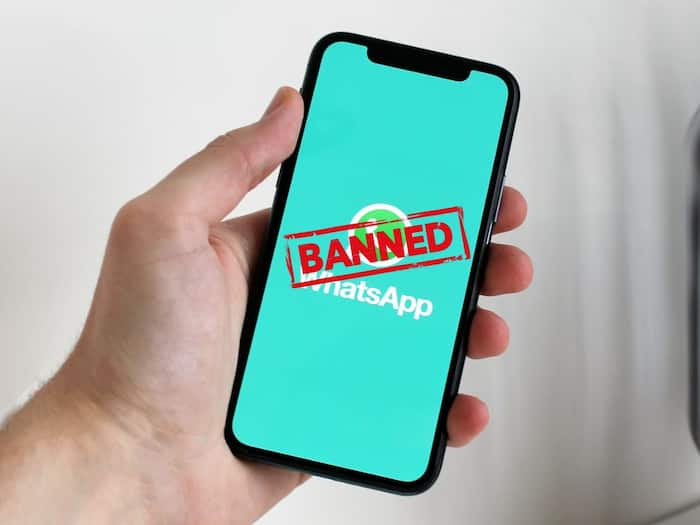
Russia is moving to restrict access to WhatsApp, and the messaging app says the government recently attempted to “fully block” its services in the country. The development has sparked fresh questions about why Moscow is tightening control over foreign communication platforms.  Also Read: New IT rules target deepfakes, platforms must act within 3 hours: Know everything in 5 points
According to a report by Bloomberg, WhatsApp said on February 11 that Russian authorities tried to block the app in an effort to push users toward a state-backed alternative. The Financial Times reported that millions of users were abruptly cut off from the service during the disruption. Also Read: Want WhatsApp on Two Phones? Follow These Steps
At the centre of the issue is a government-supported app called Max. As reported by Reuters and other outlets, Max is designed as a “super app,” similar in structure to China’s WeChat. It offers messaging, voice and video calls, payments, document storage, and access to government services.
The app has been developed by a Russian technology company, VK, which is now owned by the government. Critics are concerned about privacy as they argue that such a platform could monitor user activity. The state media, on the other hand, has dismissed those claims.
According to CNN, the Russian government has also instructed smartphone manufacturers to pre-install the Max app on devices sold within the country.
WhatsApp is not the only app being targeted by authorities. Alongside the Meta-owned platform, Telegram is also facing restricted access as Russian authorities accuse it of failing to remove criminal or extremist content. Reuters reported that Telegram is facing fines for allegedly not complying with local regulations.
Russia’s communications regulator, Roskomnadzor, has been overseeing these restrictions. In recent months, access to other foreign services has also been limited, as Moscow continues to tighten control over digital platforms operating in the country.
Kremlin spokesperson Dmitry Peskov told state news agency TASS that WhatsApp’s future in Russia depends on whether its parent company, Meta, complies with Russian laws. He indicated that dialogue is possible if the company aligns with regulatory requirements.
Today the Russian government attempted to fully block WhatsApp in an effort to drive people to a state-owned surveillance app. Trying to isolate over 100 million users from private and secure communication is a backwards step and can only lead to less safety for people in Russia.…
— WhatsApp (@WhatsApp) February 12, 2026
WhatsApp responded publicly on X, stating that the Russian government attempted to block the service to drive users toward what it described as a state-owned surveillance app. The company added that it is working to keep users connected.

For now, the situation remains uncertain, with access depending on ongoing regulatory decisions and whether an agreement can be reached.

Don't Miss Out the Latest Updates. Subscribe to Our Newsletter Today!