Written By Madhav Malhotra
Edited By: Madhav Malhotra | Published By: Madhav Malhotra | Published: Dec 02, 2025, 01:54 PM (IST)



Written By Madhav Malhotra
Android flagships have always lacked in terms of performance and cameras when compared to the iPhone. But 2025 is the year we have witnessed the rise of Android flagships that can go toe to toe with the iPhone and even destroy it in some aspects. One of the series that has repeatedly given tough competition to the iPhone in terms of cameras has been the Vivo X series. The ZEISS partnership has really changed the smartphone photography game, as the output of the X series has given tough competition to all the flagships.  Also Read: Vivo X300 Ultra leak hints at 7000mAh battery, 200MP cameras, and India launch
With the Vivo X300, the brand continues to excel in its strong areas by giving a major upgrade to its camera hardware. Not just the hardware, but even the processor, display, and battery have received some really nice upgrades. A major step by Vivo with this phone has been reducing the footprint of the device by making it smaller than its predecessor. But can this decision put the device at risk in terms of performance and cooling? Is the new camera sensor optimised well, or is it just a mere hardware upgrade? Read the full review to know the answers. Also Read: Vivo X300 Pro Review: The Phone That Makes Your DSLR Nervous!
 Also Read: Cheaper than iPhone 17, but still premium: Check these top 6 Android phones
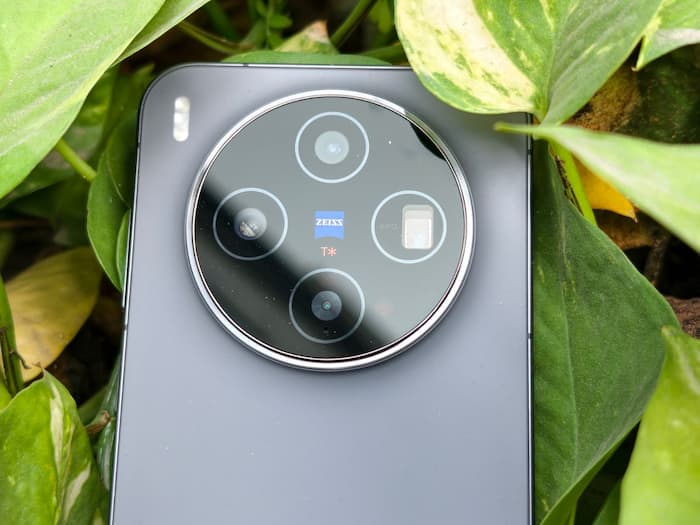
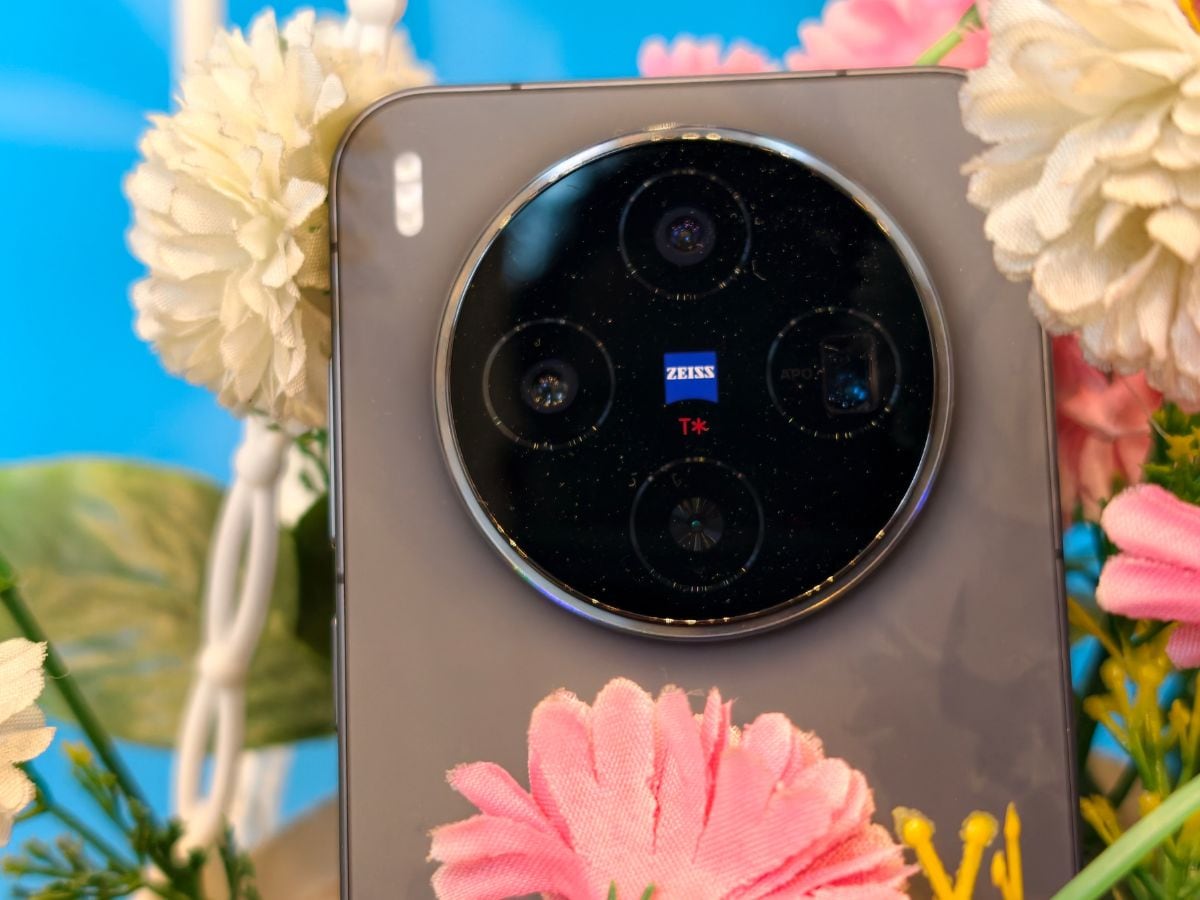
The Vivo X series is known for its large camera modules, which make the phones stand out from the crowd. The X300 continues this tradition with a circular camera module that houses the triple rear camera setup. The phone looks almost identical to the X200 in terms of rear design, with just a minor change in the placement of the flashlight. Talking more about the design, the back glass has a soft finish, which gives a really premium in-hand feel. The frames are made of aluminum alloy, and the edges are rounded, which makes this compact flagship a really handy phone. Additionally, the phone also comes with IP68/IP69 dust and water resistance making this a super durable device.
With the X300, Vivo has made sure that the flagship experience stays intact even with a smaller size. The Vivo X300 sports a 6.31 inch LTPO AMOLED display with a high refresh rate of 120Hz. When compared to the Vivo X200, the X300 is now a more compact device. This not only gives this device a visually different look, but also makes this a more desirable phone for a completely new target audience that wants a powerful yet compact phone.
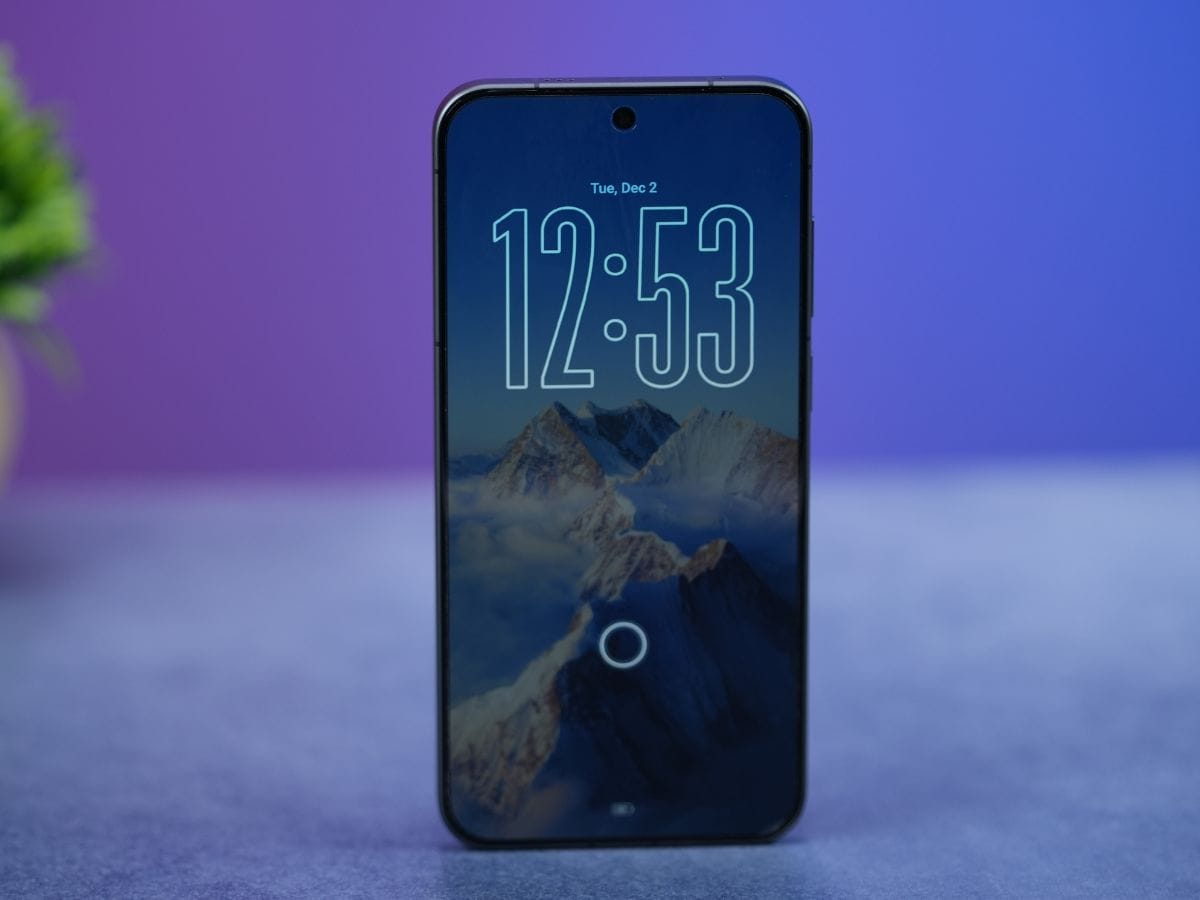
The display further has 2160Hz PWM which significantly reduces screen flicker and minimizes eye strain. The display is also HDR 10+ certified and the colours look really natural and vibrant. I tried binge watching the latest Stranger Things season 5 and the colours really give a professional and cinematic feel and the skin tones appear to be natural. Even under direct sunlight is visible, thanks to the 4,500 nits of peak brightness. The display also has a baked-in ultrasonic fingerprint reader, which is super reliable and quick. For added durability, the X300 uses a SCHOTT Xensation XT Core glass protection.
With every year, the performance of flagship phones is breaking all limits. The Vivo X300 is no different and gets the new MediaTek Dimensity 9500 SoC. It is a powerful flagship processor and also comes very close to Qualcomm’s Snapdragon 8 Elite Gen 5 in many aspects.
In Geekbench the Vivo X300 scored 3218 in the single core and a whooping 9450 in the multi core. Just for comparison the OnePlus 15 with the Snapdragon 8 Elite Gen 5 scored 3433 in the single core and 7240 in the multicore test.




The benchmark scores clearly show that this new processor is capable of heavy multitasking and high-end gaming. But, benchmarks don’t tell the full story. So, I tried some really heavy multitasking with this phone with multiple apps in the background and it worked flawlessly. From scrolling on social media to reading articles on chrome, the phone never stuttered. But what about gaming? Mostly it is in gaming that compact flagships struggle and throttle. Well the good news is that this phone overcomes this issue and delivers stable performance. I tried playing BGMI for 30 minutes and the phone did get a little warm but, never uncomfortable to hold. The average FPS was also around 117 in the Super Smooth Ultra Extreme. Even in more intensive games like Genshin Impact and Wuthering Waves, the performance was smooth, but the device did get a little extra warm due to the highly demanding graphics of these games.
With the new Origin OS 6 software, the X300 feels a little more polished. The animations and UI feel a little more smooth. Also, the lock screen customisations have got a rehaul with bolder texts and new features like Flip Cards which makes the lock screen more fun. Another fun and useful feature is the origin island. It can now store photos and texts as soon as you drag anything towards the selfie camera. Apart from this, AI features like AI captions, AI search and AI Retouch make the software experience more user friendly. It’s a step in the right direction Vivo but the look of the icons and UI elements still need some work.
Compact phones have become really interesting thanks to the silicon-carbon technology that helps companies pack a large cell even in a small body. The X300 uses this tech and packs in a 6040mAh battery, which easily lasts a day and a half even with heavy usage that includes gaming, multitasking, social media scrolling, and listening to music. With light, casual usage, this device can last approximately 2 days. This is the largest battery cell in a compact phone and even dethrones the Oneplus 13s, which sports a 5850 mAh battery.
Along with the battery size, the X300 has also got an upgrade in terms of charging. The phone supports 90W wired charging like its predecessor but now gets 40W wireless charging, which is a great addition.
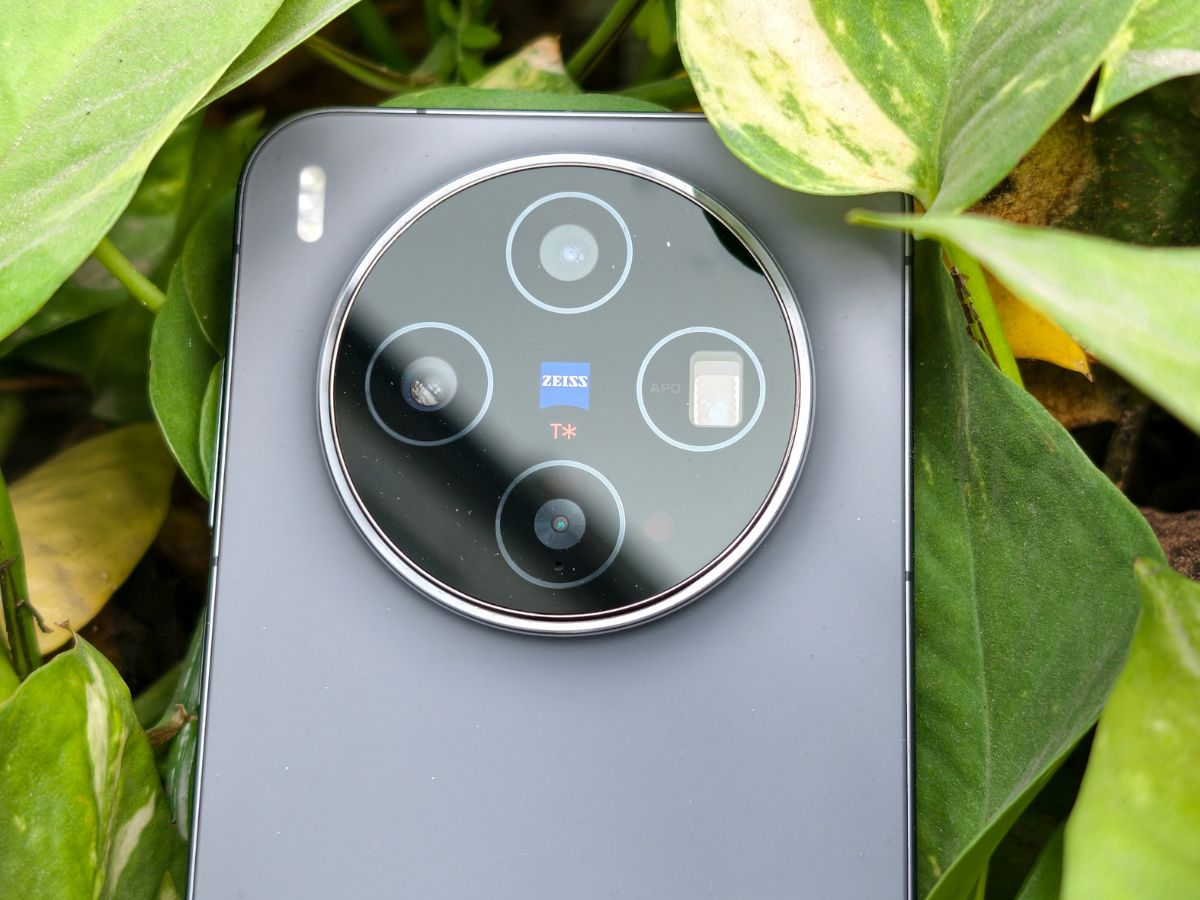
Now, let’s come to the X factor. The main USP of the device is the cameras. This year the Vivo X300 comes with an upgraded 200 MP main sensor. This main and might sensor by a 50 MP periscope telephoto lens with 3x optical zoom and a 50 MP ultrawide lens. One small observation was that the X300 really balances the body weight well even after having a camera system similar to the X300 Pro.
Starting with the primary camera, the Vivo X300 really captures some good-looking shots with close-to-natural colours. The colours in landscapes are very neutral, and the dynamic range is also great in all the photos. The phone also has a dedicated ZEISS colour mode, which is useful for capturing a close-to-real-life look. This mode particularly worked well for capturing human portraits, as the skin tones are processed in a natural way. In the vivid mode, the skin colours appear to be a little boosted. So, just a pro tip: always click human portraits using the ZEISS mode and use the vivid mode for capturing landscapes and nature.
Moving on to the ultrawide shots, the shots have good details with the same colour profile as the main camera. But, in low light the ultrawide camera takes a little hit with some grainy shots. But, still it manages to capture some good looking shots. The most impressive thing that I found while testing the camera was the telephoto lens. It performs really well and captures some great shots. The shots are sharp and crisp with good details. Even in low light, the telephoto captures some great shots with minimal noise.












The selfie camera also performs at par and gives some pleasing photos. It is a 50MP lens and the skin colours along with the dynamic range was really impressive. In terms of video, the X300 can shoot up to 4K 120 FPS. In daylight, the videos feel stable and produce some great looking shots.
The Vivo X300 is a solid all-round performer and delivers some exceptional photos. It is one of those devices that might get overshadowed by its sibling — the Vivo X300 Pro. But, when compared side by side, the ergonomics of this device and the weight distribution really make this a flagship that can give all the other devices a run for their money.
The new upgrades like wireless charging, a 200MP camera, and a faster chipset make this device one of the best value for money flagships right now. The only downside that I personally feel is on the software front. Even after the OriginOS 6 update, the software still feels a lot like FunTouch OS. The new additions surely make the software experience a little more fun but still, the overall look of the icons and UI lacks that premium flagship feel.

Apart from this one issue, this phone really shines in every aspect. The cameras give a solid output, and the performance is way better than what we expect from a compact phone. Overall, if you have a budget of Rs 80,000 and want a flagship that doesn’t feel huge in your hand and still brings the best experience, then the Vivo X300 could be your pick.

Don't Miss Out the Latest Updates. Subscribe to Our Newsletter Today!