
Written By Deepti Ratnam
Written By Deepti Ratnam
Edited By: Deepti Ratnam| Published By: Deepti Ratnam| Published: Oct 22, 2024, 11:33 AM (IST)


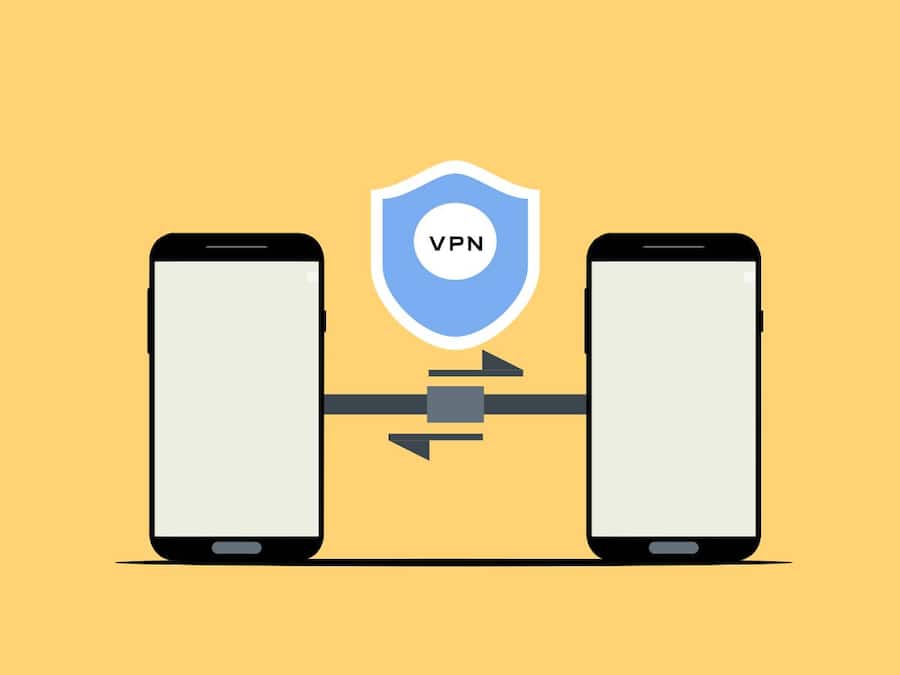
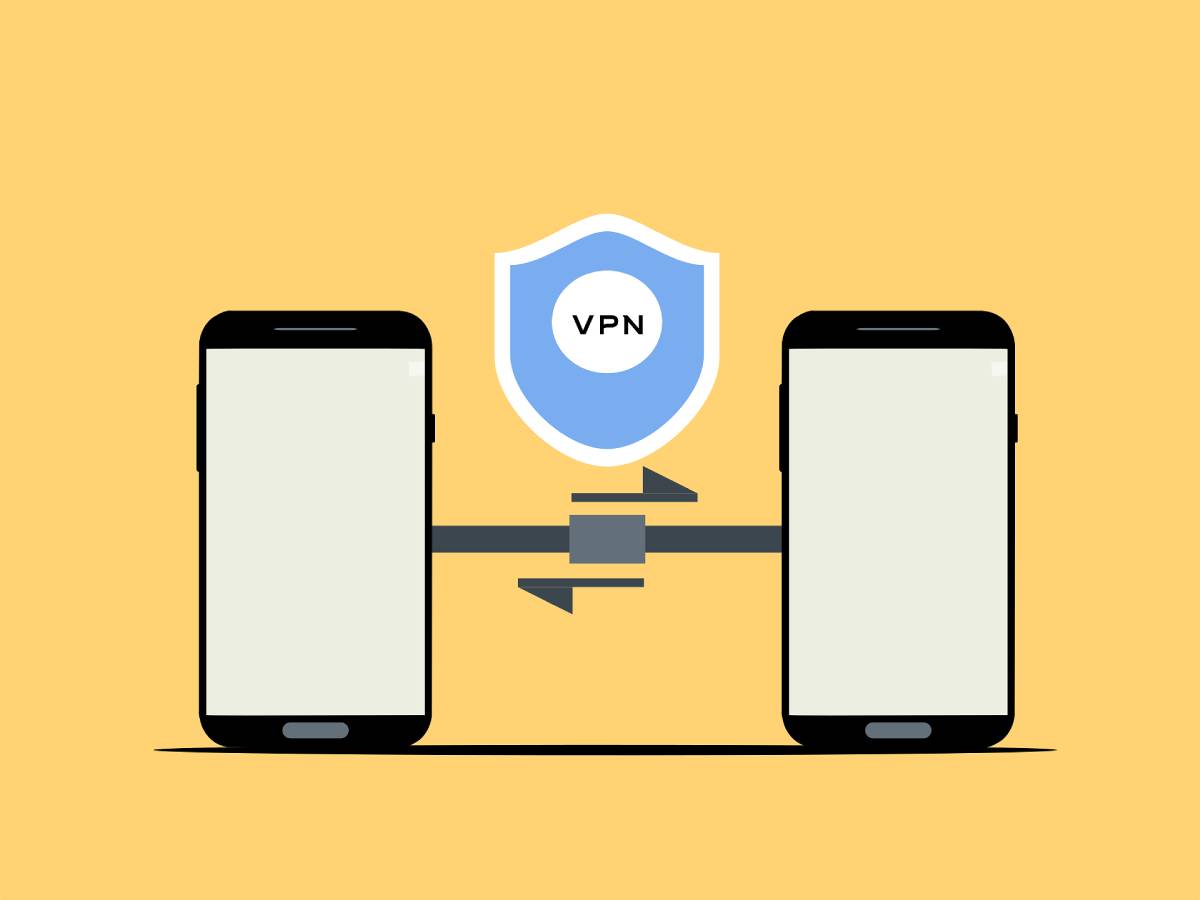
Select a reputable VPN provider that offers robust encryption, a wide server network, and a user-friendly interface.
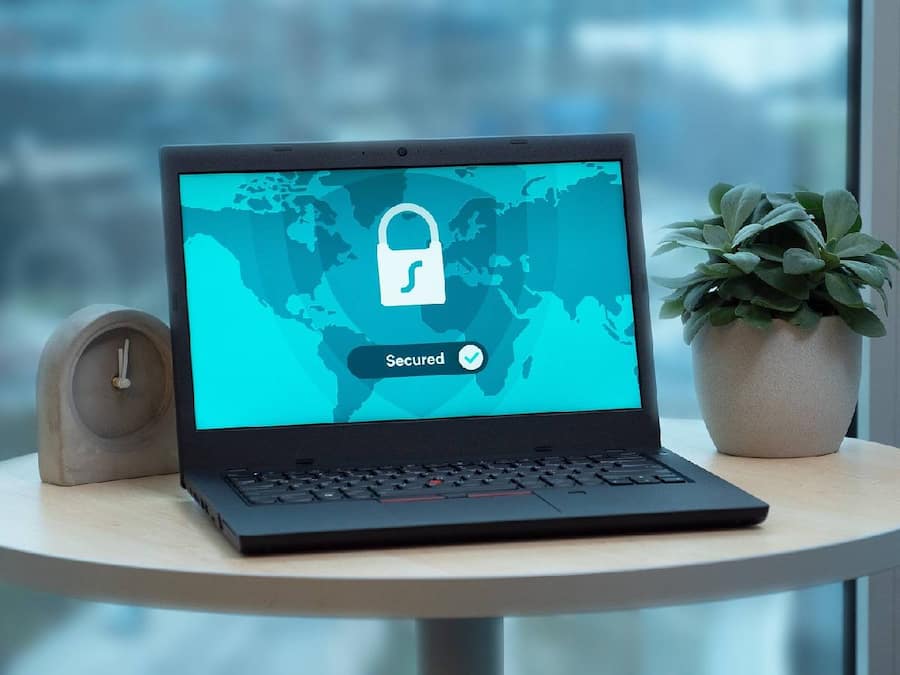
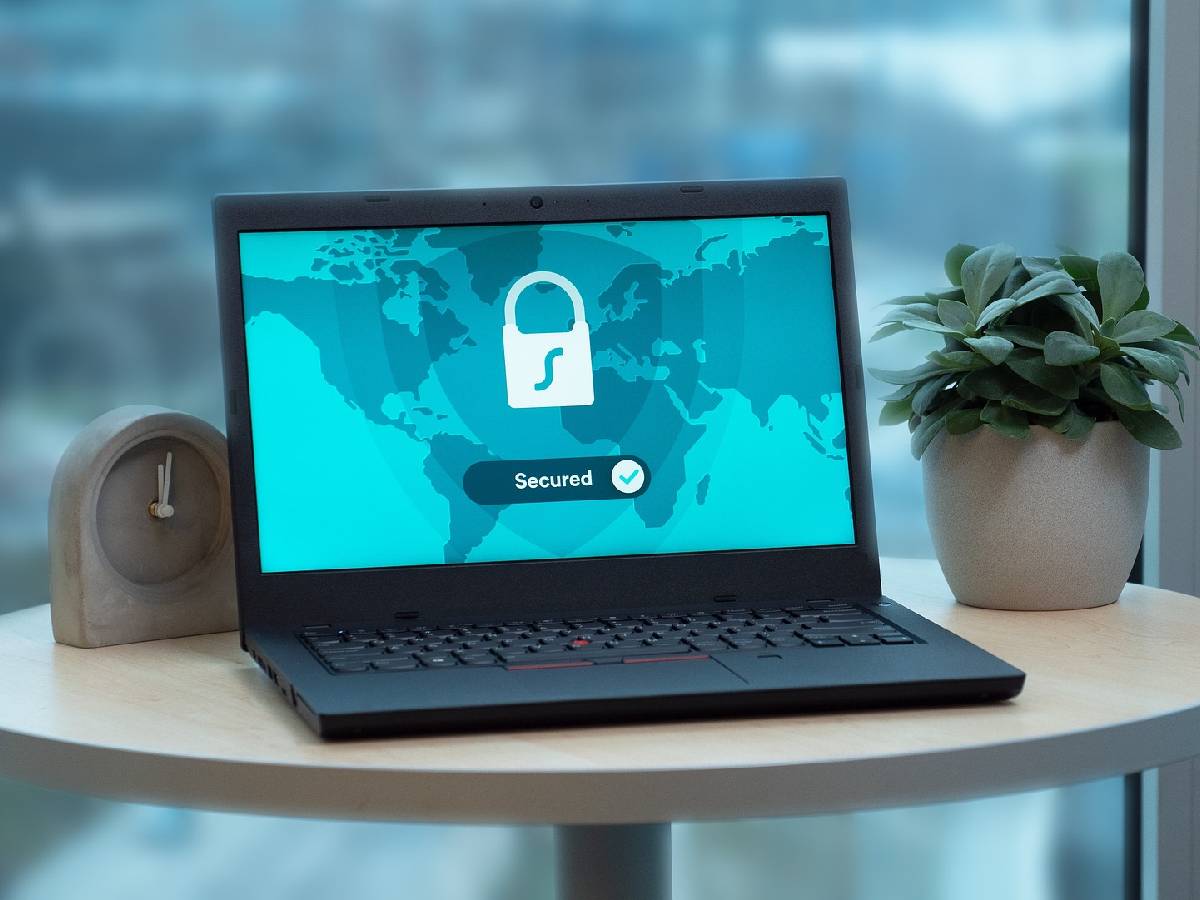
Familiarize yourself with VPN protocols like OpenVPN, L2TP/IPSec, and PPTP to ensure secure data transmission.
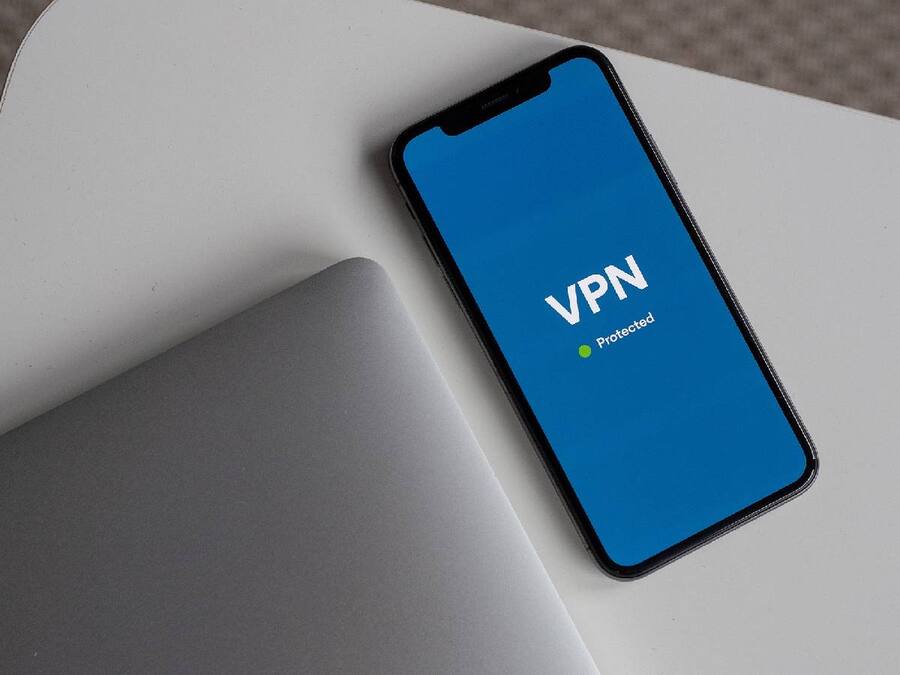
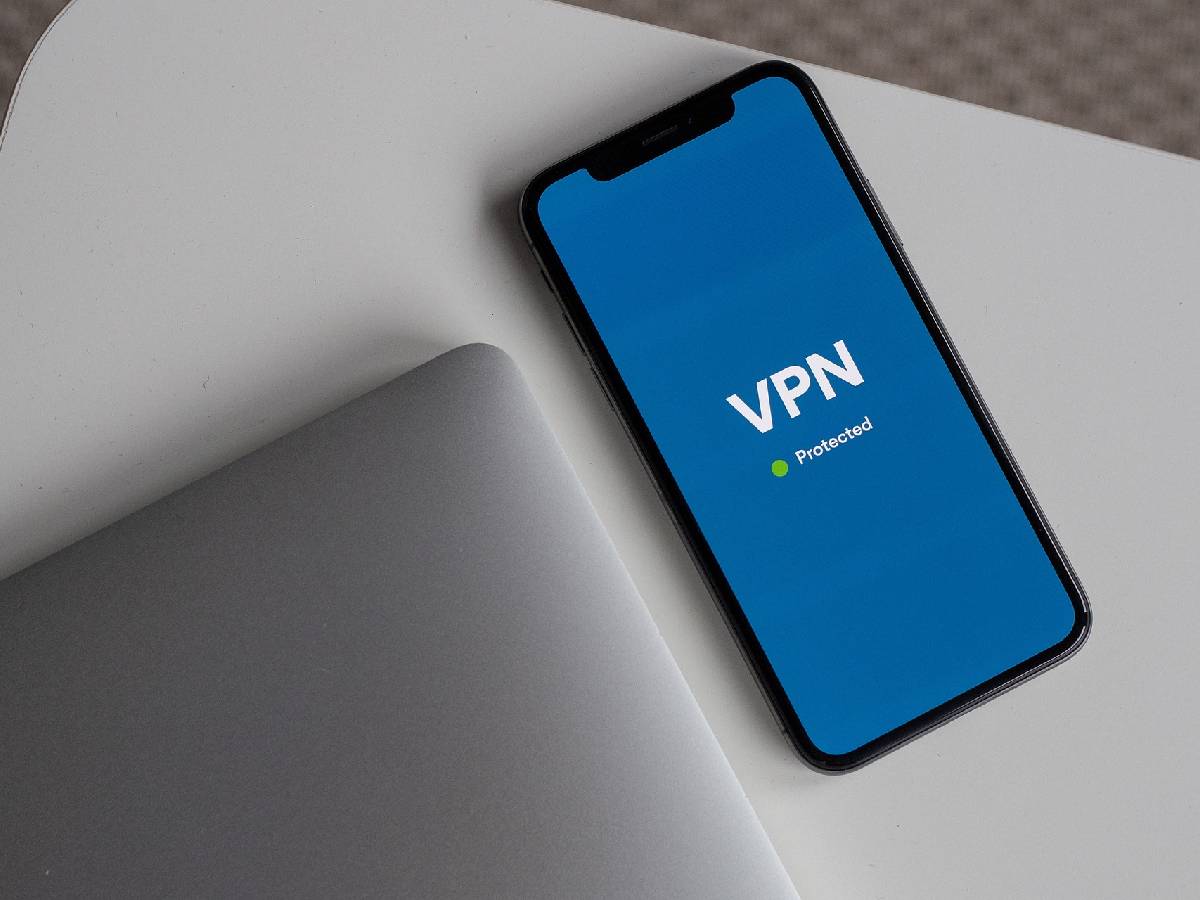
Connect to a VPN server in a location of your choice to mask your IP address and encrypt your internet traffic.


Ensure your VPN encrypts your data with military-grade encryption, such as AES-256, to protect against cyber threats.
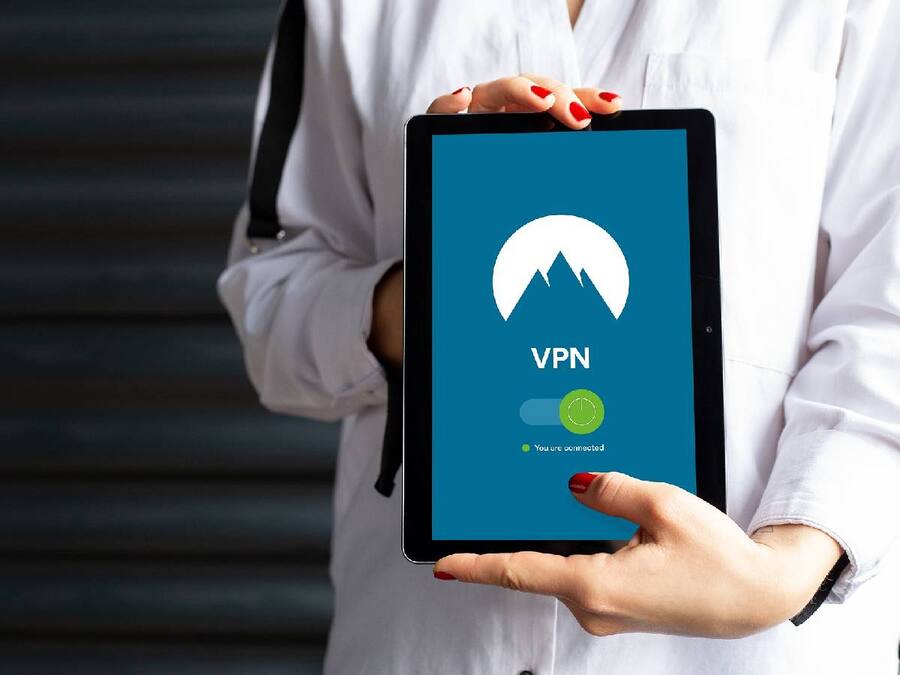
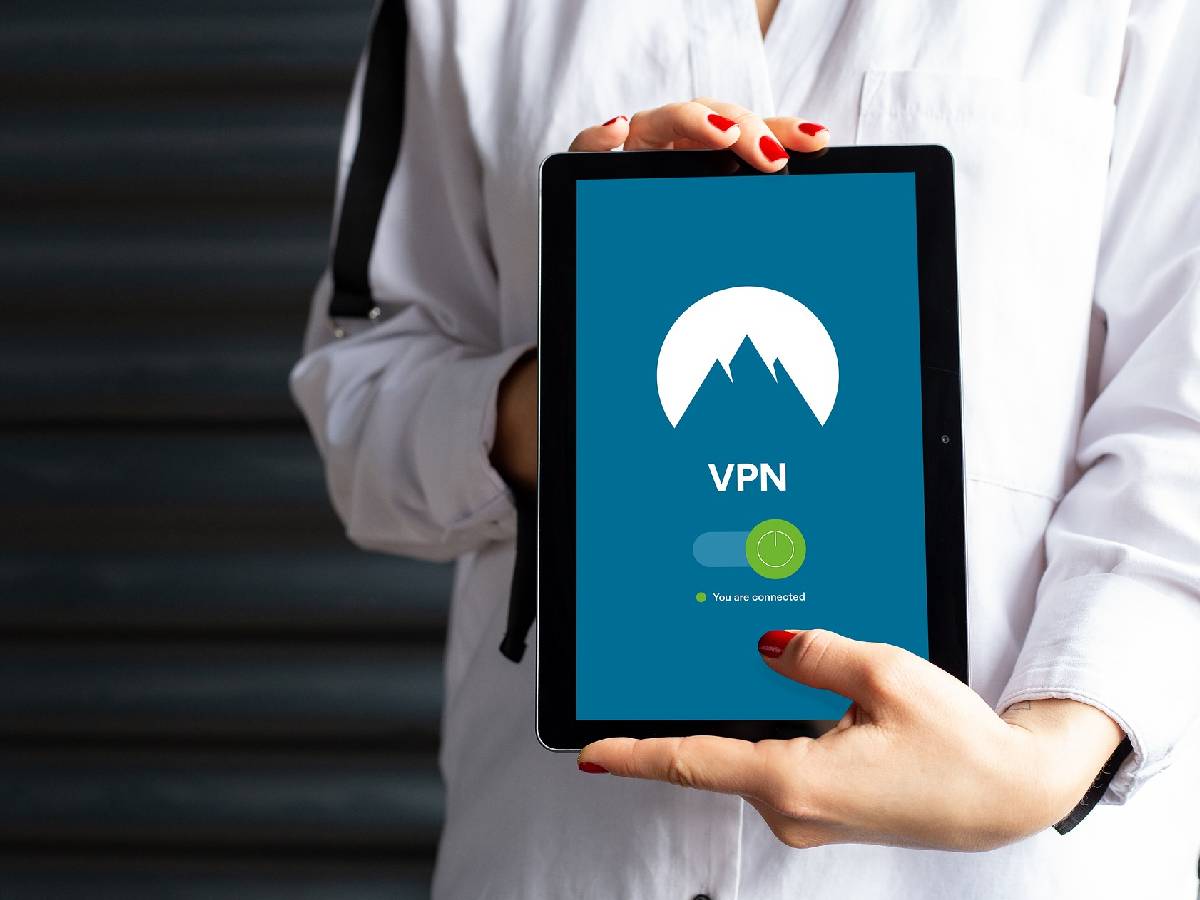
Enable two-factor authentication to add an extra layer of security to your VPN account and prevent unauthorized access.
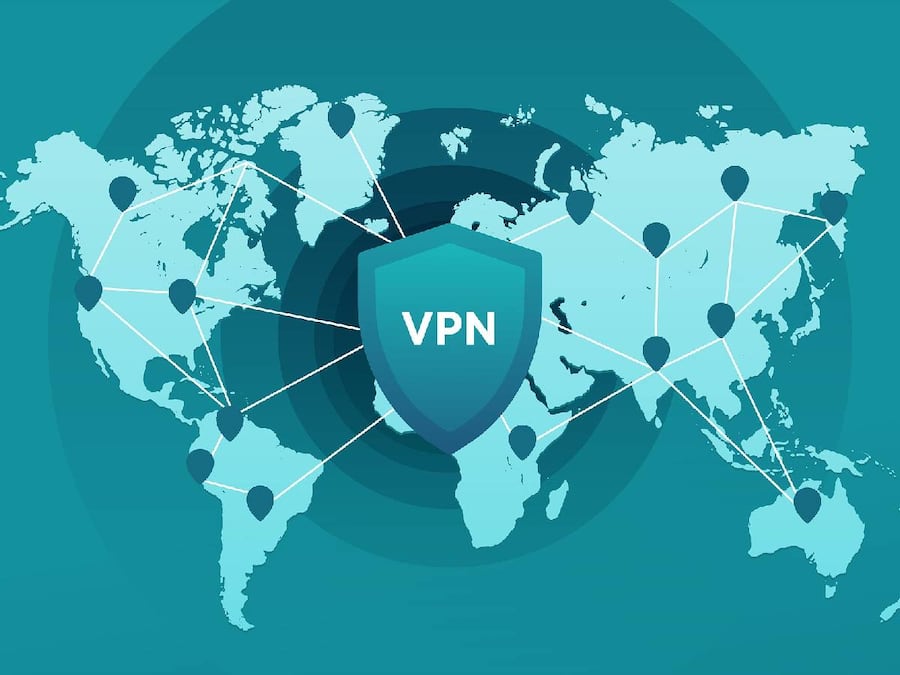
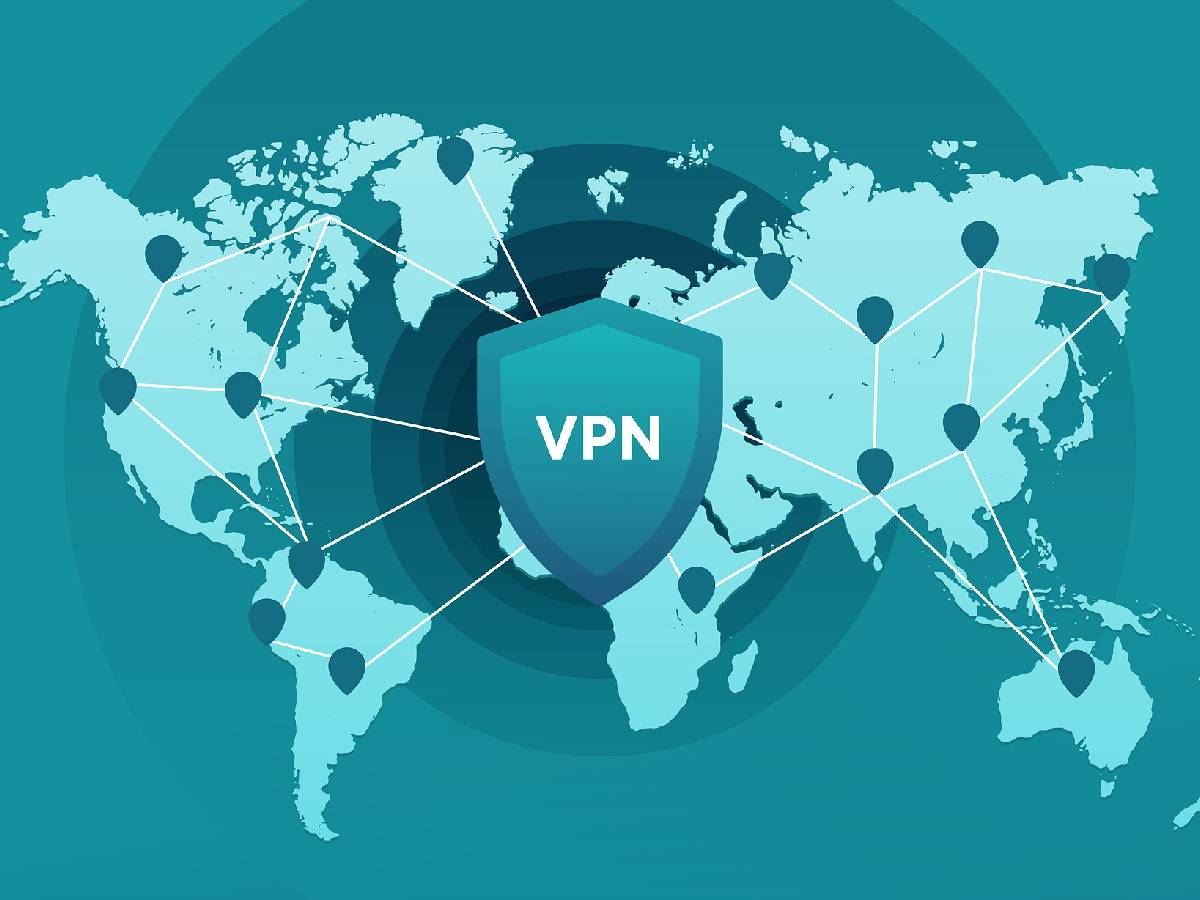
Use your VPN to maintain online anonymity, hide your IP address, and prevent tracking by advertisers and snoopers.


Easily install and set up your VPN on various devices, including smartphones, laptops, and tablets.
Regularly monitor your VPN connection and update your VPN software to ensure you have the latest security features and server access.

Don't Miss Out the Latest Updates. Subscribe to Our Newsletter Today!