Written By Divya
Published By: Divya | Published: Jan 09, 2026, 10:03 PM (IST)


Written By Divya
 Also Read: Explained: Why Deepinder Goyal stepped down as Eternal CEO and Blinkit CEO took over
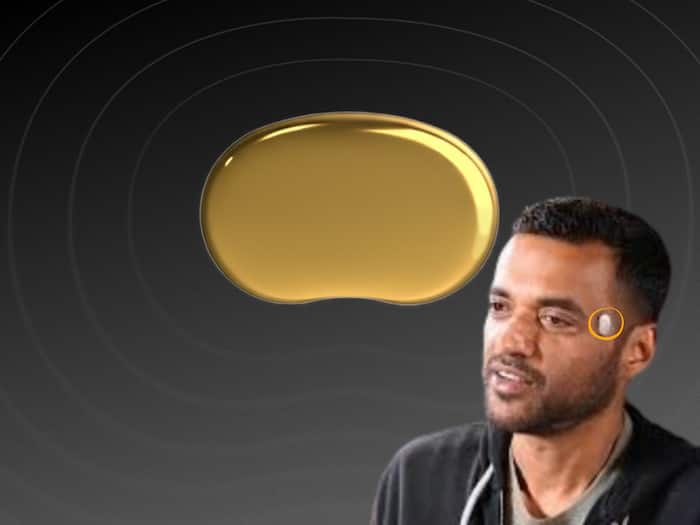
It took just a few seconds of a podcast clip for the internet to run a full rumour mill about this device. When Deepinder Goyal appeared on Raj Shamani’s podcast wearing a small device near his temple, social media quickly filled in the gaps. The gadget was labelled everything from a “brain tracker” to a futuristic health wearable, despite the fact that there has been no official information. Also Read: Zomato Launches AI-Powered Healthy Mode; Deepinder Goyal Reveals Who Will Get This First
Now, the Zomato CEO has stepped in to clear the air of rumours. Also Read: Rapido Brings ‘Ownly’ Food Delivery App For Affordable Meals Under Rs 150; New Rival To Swiggy, Zomato?
In a post on X, Goyal issued what he called a “gentle reminder” to doctors and influencers who had already started reviewing, dismissing, or warning people against the device, named Temple. He made it clear that Zomato (through its parent entity) has not made any public commercial announcement about Temple. There’s no product page, no pricing, no pre-orders, and no scientific benchmarking data released so far. According to Goyal, the device is still under development, and the team is months away from sharing preview units publicly, if they even decide to do so.
He also pointed out the irony in the situation. Experts were advising people not to buy an “unvalidated” product that cannot actually be bought. “That’s funny,” he wrote, summing up how far the conversation had drifted from reality.
The curiosity around Temple began after viewers noticed the small gold-and-silver coloured sensor on Goyal’s temple during the podcast. While there’s been no official product reveal, reports suggest it’s an experimental health-monitoring device meant to track blood flow patterns near the brain, an area linked to neurological health and ageing.
Goyal has reportedly invested significant personal funds into researching the concept, which is tied to his own theories around ageing. But again, none of this has been presented as a consumer product yet.
Several medical professionals have publicly criticised the idea, questioning its scientific grounding and warning against presenting experimental wellness concepts as meaningful health tools. Some have argued that measuring actual brain blood flow is far more complex than what surface-level sensors can capture.
It must be noted that Deepinder Goyal hasn’t dismissed criticism; he’s just asking for timing. He said the science will be shared if and when Temple becomes something people can actually buy. Until then, he encouraged curiosity without conclusions. For now, Temple remains a prototype, not a product.


Don't Miss Out the Latest Updates. Subscribe to Our Newsletter Today!