Written By Divya
Published By: Divya | Published: Feb 05, 2026, 05:34 PM (IST)


Written By Divya
Smartphone makers have always tried to bridge the gap between phone cameras and professional gear. Whether it is about the bigger camera sensors, AI features, and better night modes, they have all been available in the past couple of years. However, Xiaomi is taking a different route this time.  Also Read: Top air fryers under Rs 15000 to cook healthy meals without LPG cylinder gas
The company’s modular camera system, which was first shown as a concept at Mobile World Congress (MWC) 2025, is now reportedly moving closer to reality. If the latest leak by tipster Digital Chat Station on Weibo is correct, the technology may soon step out of demo zones and into actual devices. Also Read: Redmi’s new budget 5G phone launches on March 27: What we know so far
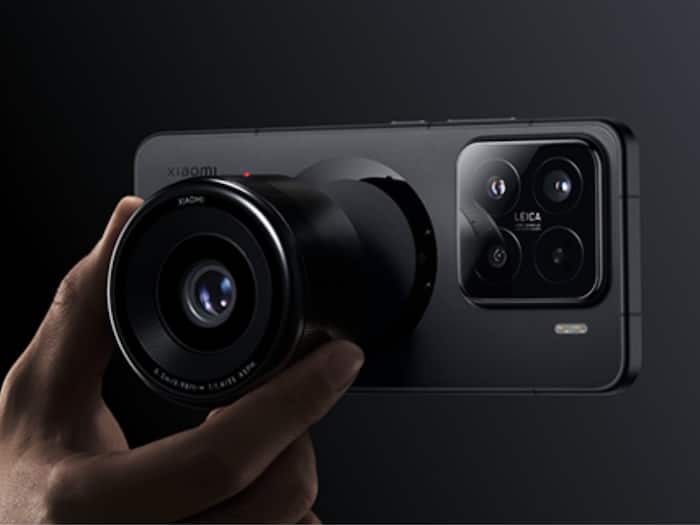
According to tipster Digital Chat Station on Weibo, magnetic camera lenses tied to Xiaomi’s Modular Optical System have entered mass production. While the brand has not officially confirmed this yet, Xiaomi remains the only major smartphone maker currently experimenting with magnet-based external optics, making the connection fairly obvious. The leak also hints that the system could arrive sometime this year, although timelines remain unclear.
If this happens, it could mark a notable shift in how smartphone photography evolves, moving beyond software-heavy processing toward stronger hardware.
At its core, Xiaomi’s system is designed to merge professional-grade optics with the convenience of a smartphone. The module features a six-element aspherical lens paired with a wide f/1.4 aperture and a 35mm focal length, a setup typically associated with natural-looking portraits and street photography. The aspherical structure helps focus light more precisely, reducing distortions that often soften image quality.
Interestingly, Xiaomi claims the lens is nearly 50 percent thinner than traditional optics, keeping the attachment compact rather than bulky. One of the more interesting aspects of this system is Xiaomi’s LaserLink communication technology. Instead of relying on conventional wireless transfers, the module converts optical data into digital signals and sends it to the phone using near-infrared lasers at speeds of up to 10Gbps.
In simple terms, this should allow the phone to receive RAW image data almost instantly, without noticeable lag.

The lens is also said to follow a plug-and-play approach. No pairing, no separate charging, and no manual file transfers. Just attach it magnetically and start shooting.

Don't Miss Out the Latest Updates. Subscribe to Our Newsletter Today!