
Written By Deepti Ratnam
Published By: Deepti Ratnam | Published: Apr 05, 2026, 12:28 PM (IST)
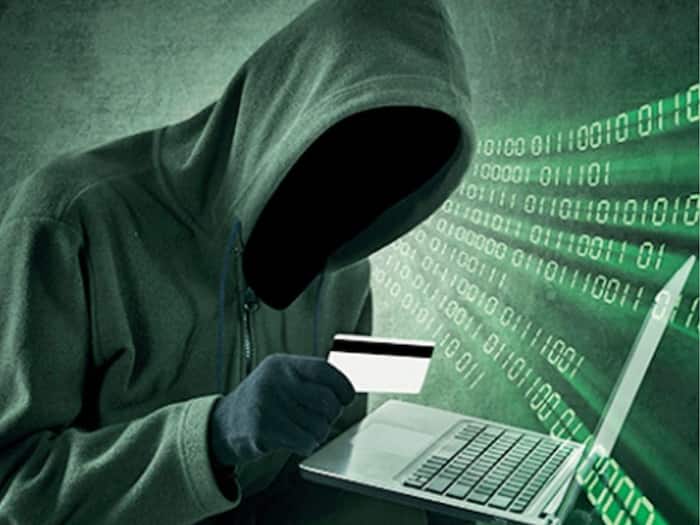
 impact of fraud on mental health


Written By Deepti Ratnam
It is frightening to receive a suspicious call, email, or message requesting your personal information. Fraudsters have clever tricks to defraud individuals on a daily basis and becoming a victim of a scam may be an emotionally scarring experience. Every year, millions of individuals fall prey to online and phone scams and the effects extend beyond money. The typical reactions include anxiety, panic attacks, and stress. Knowing how to recover and experiencing the emotional impact of it will make you feel confident again and safeguard yourself in the future.  Also Read: This Google feature lets you check suspicious tax messages in seconds
 Also Read: Why Meta took down 11 million Facebook and Instagram accounts
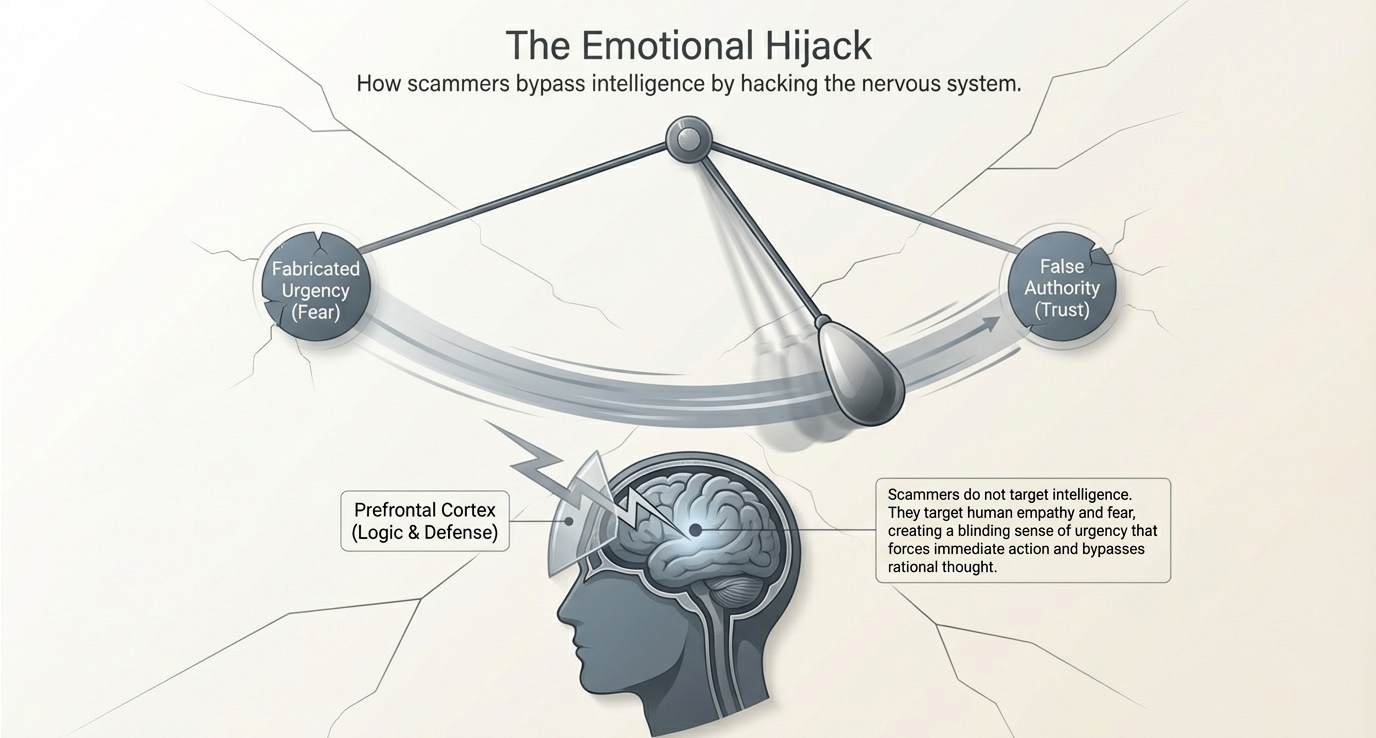
It is shocking to realize that you are scammed. The first response is usually the denial: This can not happen to me. As soon as the reality strikes, such emotions as embarrassment, shame and anger may emerge. To deceive victims, scammers tend to build trust or instill fear and it is difficult to detect the red flags. It can be quite an emotional manipulation that will make you doubt yourself and your capability to trust others. Also Read: How to Identify Online Scams in Seconds
Victims in most cases are betrayed since the trust was broken. Most people accuse themselves of being lured into a scam, yet nobody is safe by their intelligence or experience. Anyone can be defrauded by the skill of the scammers who know how to tap into emotions and generate a sense of urgency. The psychological effects may be intense, which impacts confidence and decision-making months following the accident.
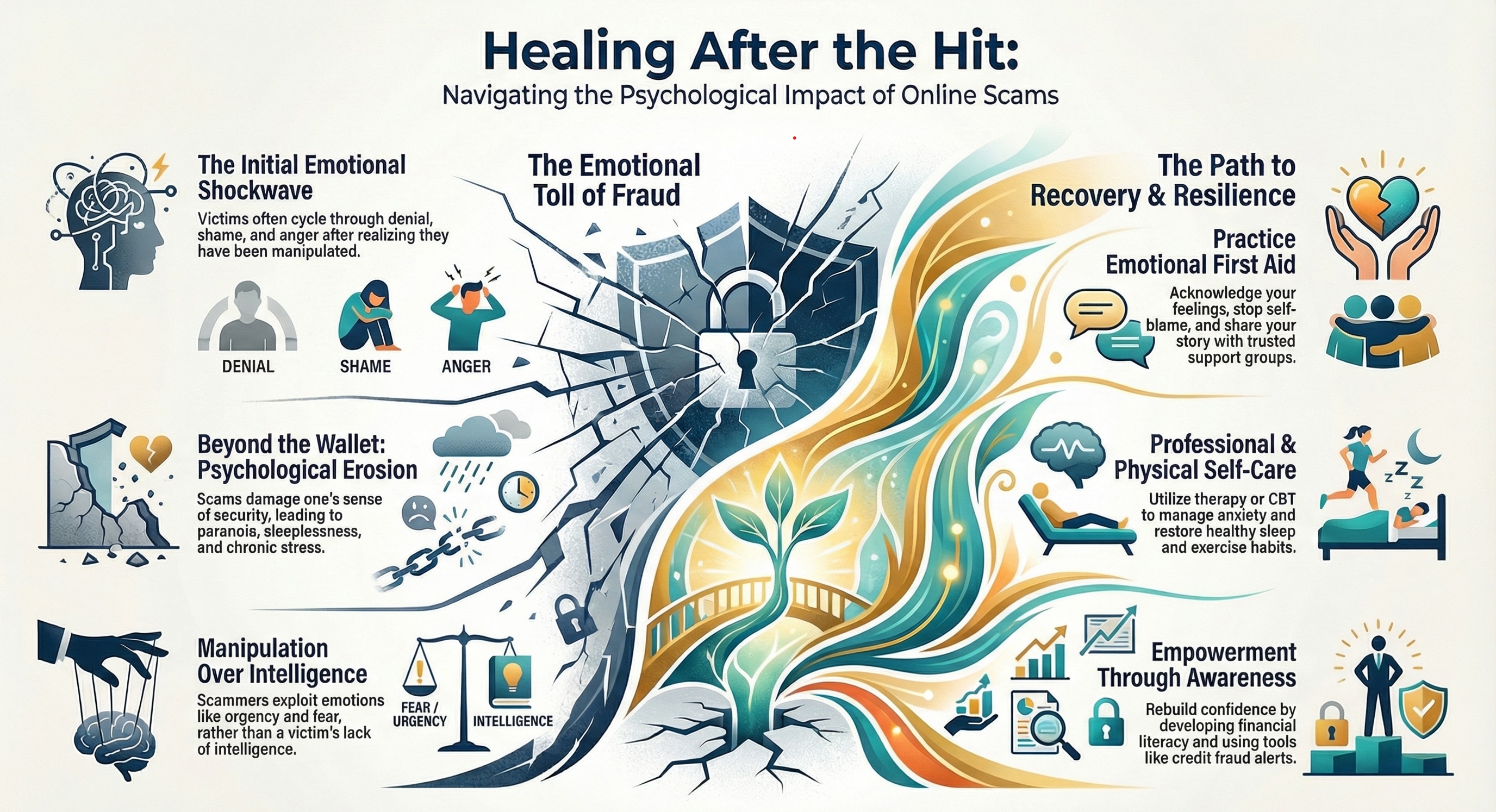
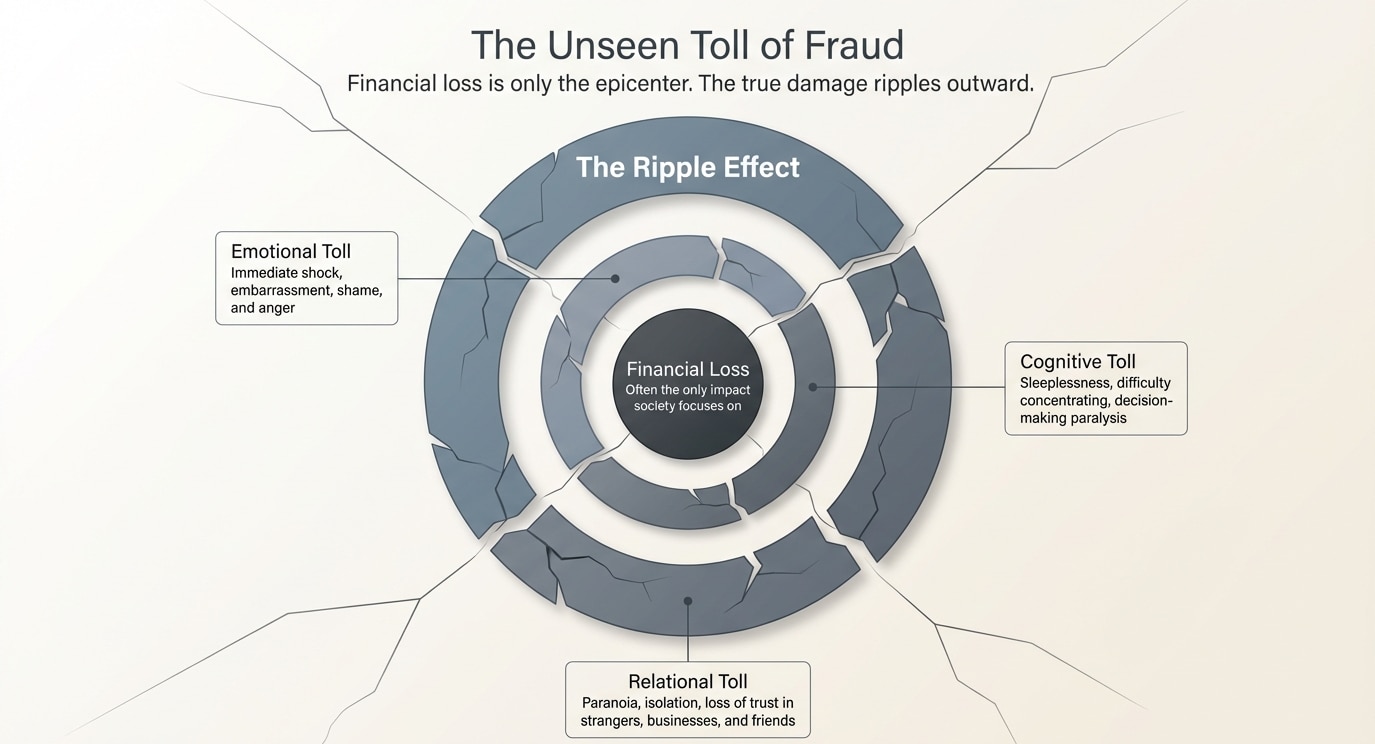
Having been scammed, individuals usually feel denied, shameful, angry, or anxious. It is difficult to accept what has happened due to the denial. Shame occurs when victims believe that they ought to have anticipated the scam. Anger is common, especially when financial loss occurs. It may develop anxiety and panic attacks which impact on the daily life and trust in others.
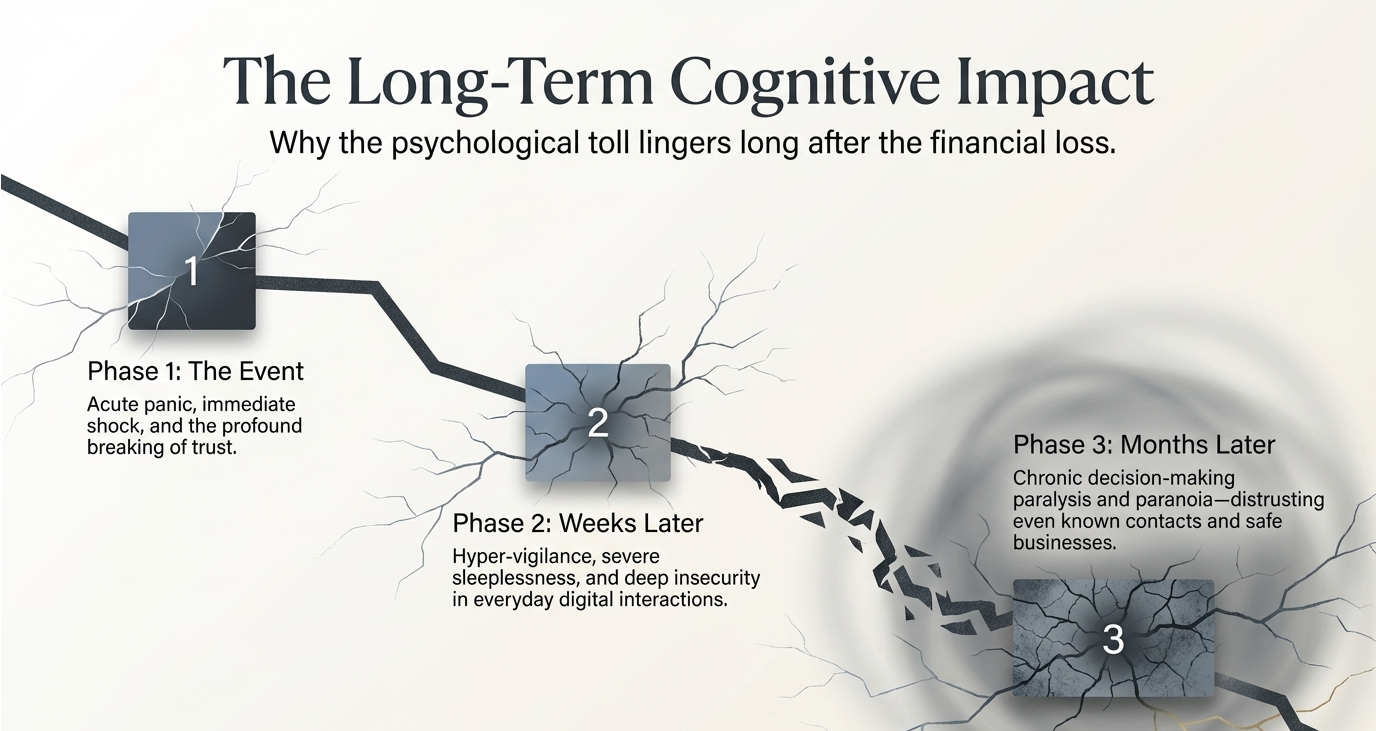
Paranoia can also be induced because of scams. Victims might also have a problem trusting strangers, businesses or even people they know even after they have rebounded financially. The process of emotional recovery is slow and needs support and time. In other instances, victims complain of sleeplessness, difficulties in concentration and insecurity in everyday interactions.
Being a victim of a scam goes against your sense of security. It might cause you to feel weak and not so sure about your decision-making process. Others acquire chronic stress and anxiety. The experience can result in hyper-vigilance or fear of associating with others.
It should be known that anybody can become a victim of a scam. Fraudsters are appealing to emotions, a sense of urgency, and trust, rather than intelligence. It is not justified to be guilty or blame yourself. As experts clarify, scams are not always spontaneous but rather well-researched and planned to deceive even suspicious individuals.
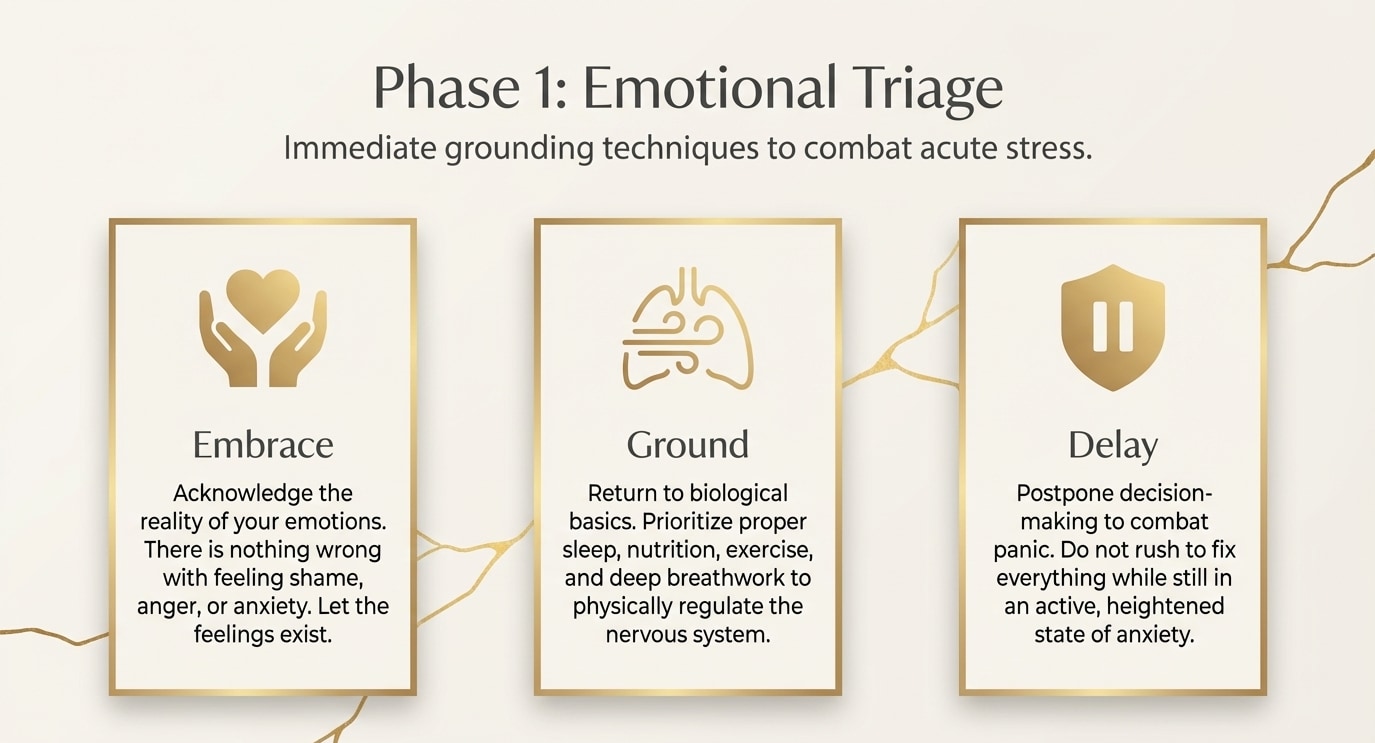
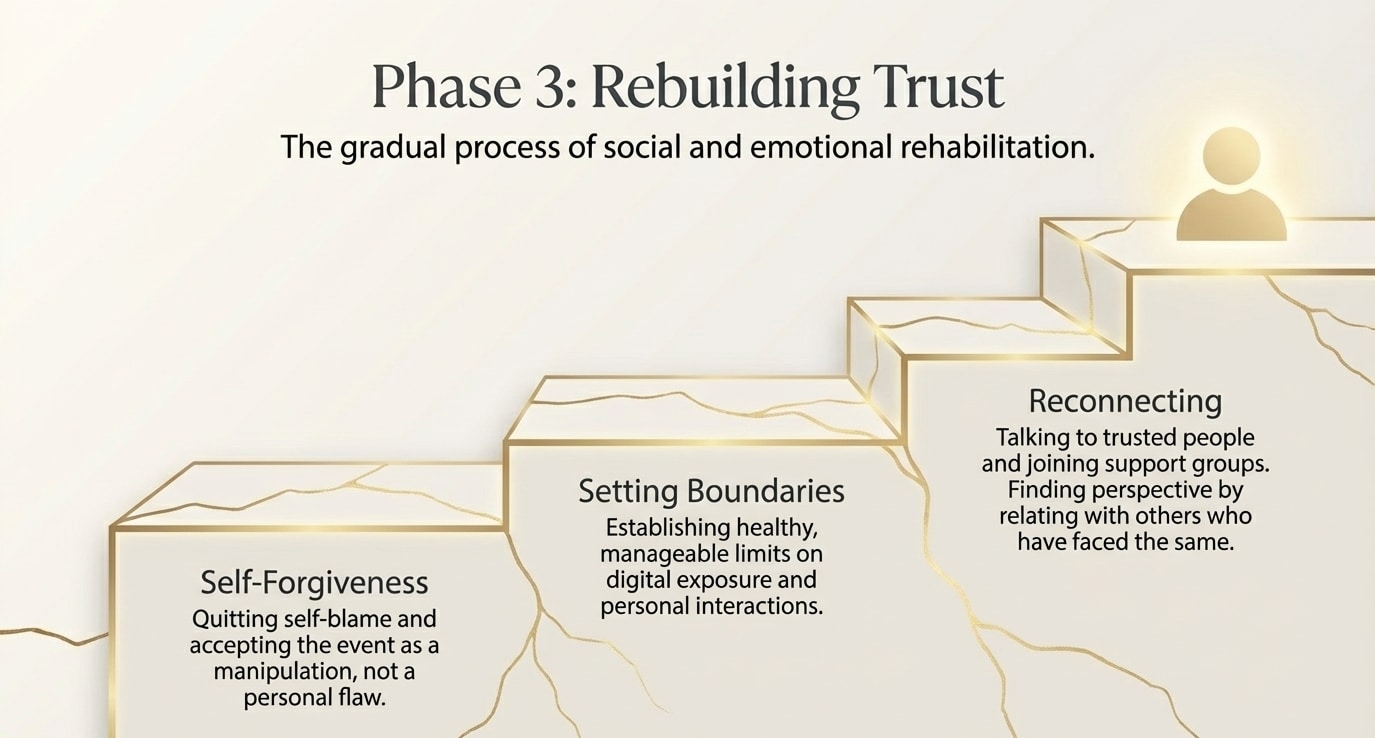
The first step to overcome a scam is to work on the emotional state. Embrace your emotions and realize that there is nothing wrong with shame, anger, or anxiety. You will feel less alone when you talk to a person you trust, join support groups, or share your story. It is reassuring and offers perspective when one can relate with others who have fallen prey to scams.
Forgive yourself and quit self-blame. It is not the victim who is at fault in scams. The power to make your own choices and use the experience to learn can be empowering. Developing skills, such as financial literacy or cybersecurity awareness, can avoid further scams and regain confidence.
The recovery process of a scam requires self-care. Sleep properly, eat properly, exercise, and breathe deeply. Anxiety can be reduced through cognitive methods such as doubting negative thoughts or postponing decision-making. Rebuild trust in other people over time and establish healthy boundaries.
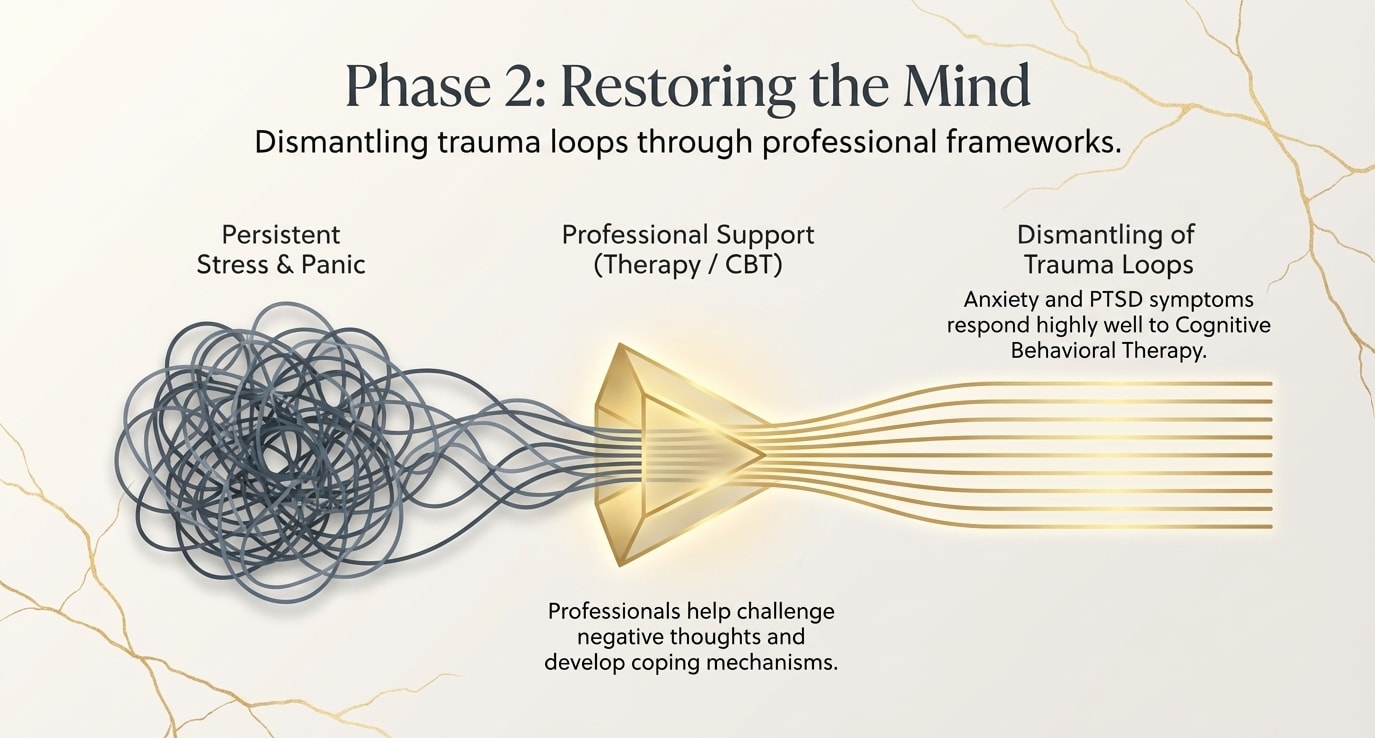
Anxiety, panic and post-traumatic stress symptoms in wake of scams respond well to professional assistance in the form of therapy or cognitive-behavioral therapy (CBT). Therapists are able to assist the victims in the recovery process and assist in the development of coping mechanisms. They are also capable of detecting indicators of persistent stress or a traumatic experience that requires management.
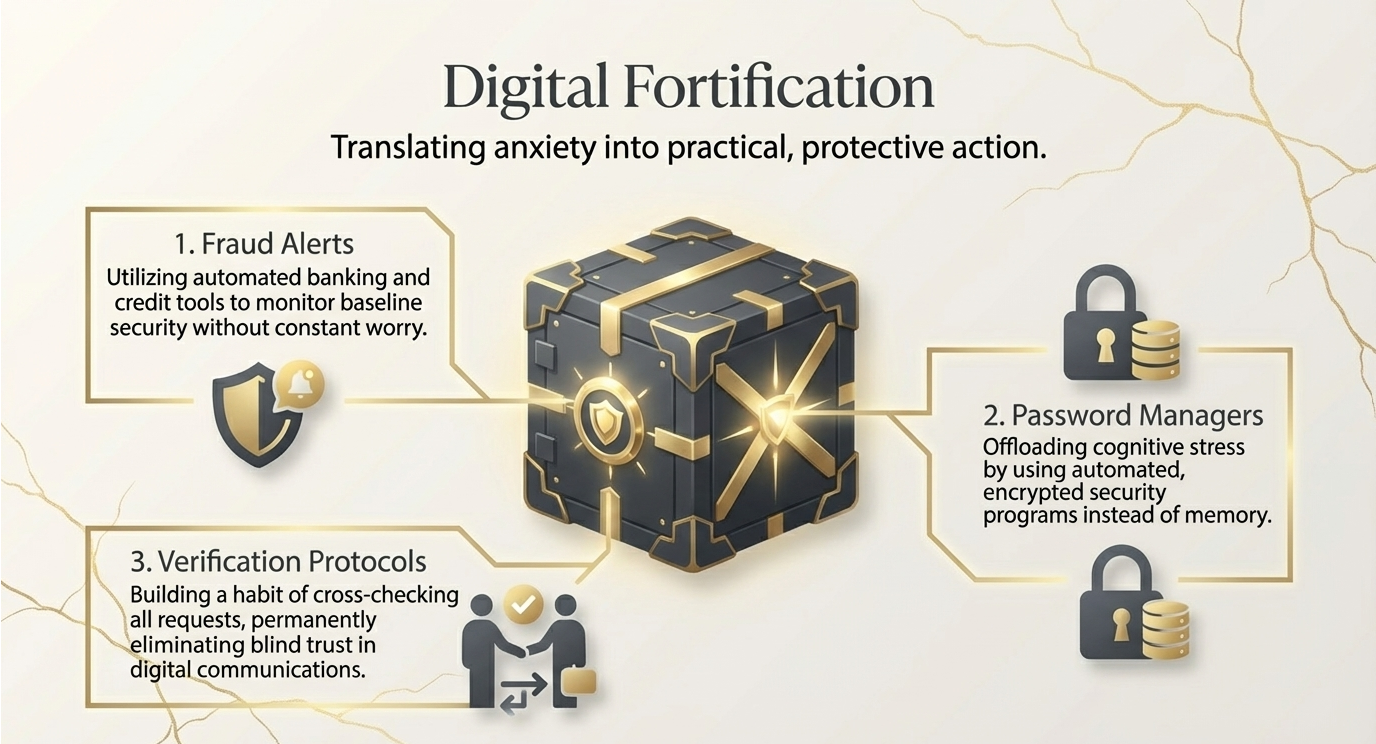
Although emotional recovery is a priority, it is also essential to avoid scams in the future. Be aware of typical scam requests, watchful of giving personal information, and cross-check requests. Follow your gut, do not perform an action when you are in a hurry, and safeguard yourself with such tools as credit card fraud alerts or password manage programs. The best protection against fraud on the internet is awareness and vigilance.
A scam can be an educational experience as well. The experience has helped many of the victims to enhance their skills, including online security, budgeting, or digital literacy. The new skills will not only prevent future scams, but they can also make one feel more confident and independent. Being able to share your story with others will teach your community and make them not fall into the same trap.

Getting scammed is a traumatic and stressful event, and it is not a part of who you are. The healing process is slow, long, and requires encouragement. With help of emotional healing, trust-building and learning preventive actions, you will be able to restore confidence and prevent yourself being scam-victimized. Keep in mind that there is no fault on your side to fall a victim, and you can be helped.

Don't Miss Out the Latest Updates. Subscribe to Our Newsletter Today!