Written By Divya
Edited By: Divya | Published By: Divya | Published: Dec 24, 2025, 04:00 PM (IST)
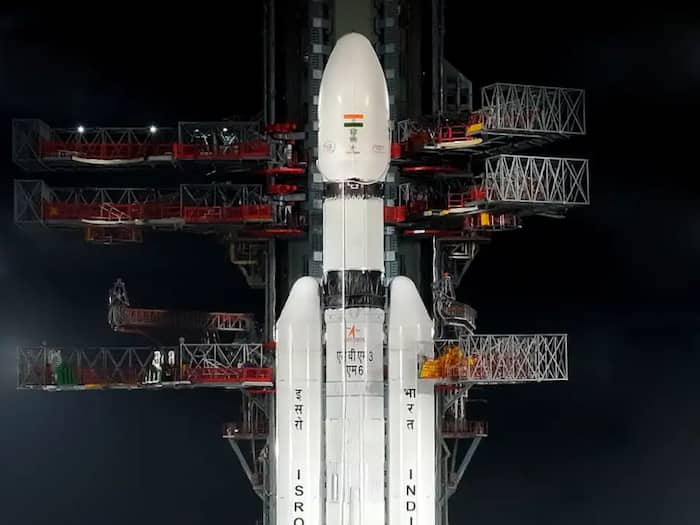
 Image Credits: ISRO


Written By Divya
India’s heavy-lift rocket has once again delivered a clean launch. On December 24, the Indian Space Research Organisation successfully launched the BlueBird Block-2 communication satellite for a US-based company using its LVM3 rocket. The mission adds another solid win to ISRO’s growing list of commercial launches and reflects the increasing confidence global players have in India’s space capabilities.  Also Read: PSLV-C62 Mission: ISRO To Launch EOS-N1 And 15 Co-Passengers This Week, Check Date, Mission Details, More
The launch took place from Sriharikota at 8:55 am IST. The LVM3 lifted off smoothly and completed its mission in a little over 15 minutes, placing the satellite into its intended orbit without any hiccups. Also Read: Gaganyaan Mission Update: ISRO Plans Half-Humanoid Vyommitra Launch Before Astronauts
Officially named LVM3-M6 / BlueBird Block-2, this was the sixth operational flight of ISRO’s LVM3 rocket. Unlike some earlier missions, this one was a fully commercial launch, handled through ISRO’s commercial arm, NewSpace India Ltd. Also Read: ISRO to launch INSAT-3DS satellite today: Top things to know
The payload – BlueBird Block-2 – was successfully deployed into a low Earth orbit at around 520 km. With this mission, LVM3 has now launched its heaviest commercial communications satellite so far from Indian soil.
Nicknamed “Baahubali,” the LVM3 is ISRO’s most powerful launch vehicle. It stands 43.5 metres tall, weighs 640 tonnes at lift-off, and uses a three-stage design:
Two large solid strap-on boosters (S200)
The rocket already has a proven track record, having flown major missions like Chandrayaan-2, Chandrayaan-3, and multiple OneWeb satellite launches. Its previous mission, LVM3-M5, which carried the CMS-03 satellite, was completed successfully in November 2025.
Built by AST SpaceMobile, BlueBird Block-2 is part of the company’s next-generation satellite constellation. Its main goal is ambitious – delivering space-based cellular broadband directly to standard smartphones.

Once operational, the satellite is expected to support 4G and 5G voice, video, and data services without requiring specialised ground equipment. This could play a key role in improving connectivity in remote and underserved regions worldwide. At over 6 tonnes, it is among the largest communication satellites ever placed in low Earth orbit.

Don't Miss Out the Latest Updates. Subscribe to Our Newsletter Today!