Written By Divya
Published By: Divya | Published: Mar 31, 2026, 07:27 PM (IST)
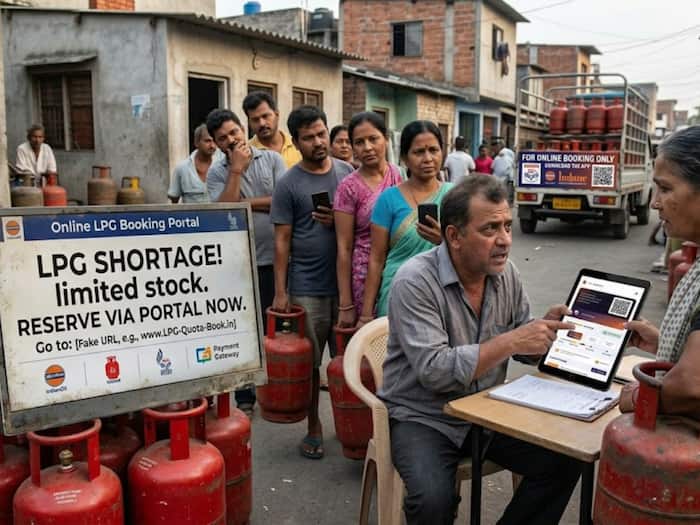
 LPG cylinder scam: Things that you must know


Written By Divya
LPG shortage in India seems nowhere to settle soon. The Israel-US-Iran conflict has left India impacted by the shortage of LPG supply. Now, while people are already dealing with supply concerns and rising prices, another problem is quietly growing – LPG booking scams.  Also Read: How to surrender your LPG connection via MyPNG-D portal: Step-by-step guide
According to the Indian Cyber Crime Coordination Centre, scammers are actively using the panic around LPG availability to target users. The scammers are taking advantage of the situation to take your personal information and then steal the financial details too, which can empty your bank account. Also Read: LPG connection at risk? How to apply for PNG online, required documents, all you need to know
How does it work? You may receive SMS or WhatsApp messages, Social media ads, or calls claiming an urgent booking. And due to the timing and the actual urgency of the LPG crisis in India, people are falling for this. Also Read: New LPG cylinder booking rules? Here's the truth and how to book via SMS, WhatsApp
Most of these messages include links that look like official LPG booking websites. But once you click, things change. The link may ask you to enter personal details, share OTPs or bank information, scan QR codes for payment or even may force you to download unknown apps. In reality, these are fake portals designed to collect your financial data or steal money.
The advisory clearly points out a few warning signs. If you notice any of these, pause immediately:
The advisory clearly mentions that the official LPG providers don’t ask for sensitive details through random links or messages.
If you’re planning to book an LPG cylinder, stick to safe options. Always use official apps or verified websites of your LPG provider and avoid clicking on links from unknown numbers. Also, cross-check any message before taking action.

And if something feels off, it probably is! In the worst-case scenario, if you have already clicked or shared details, then you must report it on the official cybercrime portal or call the national helpline 1930. Acting quickly can help reduce damage.

Don't Miss Out the Latest Updates. Subscribe to Our Newsletter Today!