Written By Divya
Published By: Divya | Published: Jan 06, 2026, 07:48 PM (IST)


Written By Divya
For years, Apple has followed a very predictable rhythm. One major September event, one stage, and all flagship iPhones for the year arrive together. That’s how we’ve seen it with almost every iPhone generation so far.  Also Read: i-relief! iPhone 18 Pro price may remain same as iPhone 17 Pro, here's why
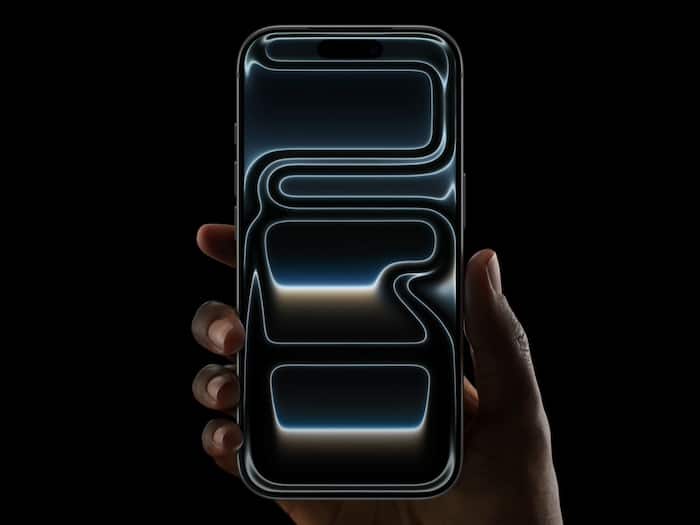
But 2026 might quietly break that tradition! As per recent reports, Apple is expected to split its iPhone 18 launch into multiple events, instead of announcing the entire lineup at once. If this happens, it would mark one of the biggest changes in Apple’s iPhone strategy in over a decade. Also Read: Apple may boost iPhone 18 Pro Max battery as Android phones hit 10,000mAh
The biggest surprise here is that the standard iPhone 18 may not launch in 2026 at all. Reports suggest Apple could delay the base model to spring 2027, while still sticking to its usual fall timeline for premium devices. Also Read: iPhone 18 series may stick to the same design, leak suggests
This means the iPhone 18 Pro and iPhone 18 Pro Max are still expected to debut in fall 2026, but without the regular iPhone 18 alongside them. Instead, Apple may reserve the fall event for higher-end models only.
If this plan goes ahead, the iPhone 17, launching in 2025, would stay on sale as Apple’s latest standard iPhone for nearly 18 months. That’s unusually long by Apple’s standards.
Historically, Apple refreshes its main iPhone every year. The only close exception was the gap between the iPhone 4 and 4s. This new cycle would stretch that gap even further.
There are a few practical reasons behind this reported shift.
First, Apple’s iPhone lineup has grown a lot. Between entry-level models, Plus variants, Pro models, Air versions, and a foldable iPhone expected in 2026, Apple could have eight or more iPhones on sale at the same time.
Second, focusing the fall event on premium devices helps Apple push higher margins. More affordable or standard models can then launch later, with less internal competition.
There’s also a supply chain angle. New chip technologies, including a possible move to smaller nanometre processes, are expensive. Staggered launches could give Apple more flexibility with production and costs.
If reports are accurate, Apple’s 2026 fall event could focus on:

The standard iPhone 18, possibly along with an iPhone 18e or a new Air variant, would then arrive months later.

Don't Miss Out the Latest Updates. Subscribe to Our Newsletter Today!