
Written By Shubham Arora
Published By: Shubham Arora | Published: Dec 23, 2025, 04:54 PM (IST)
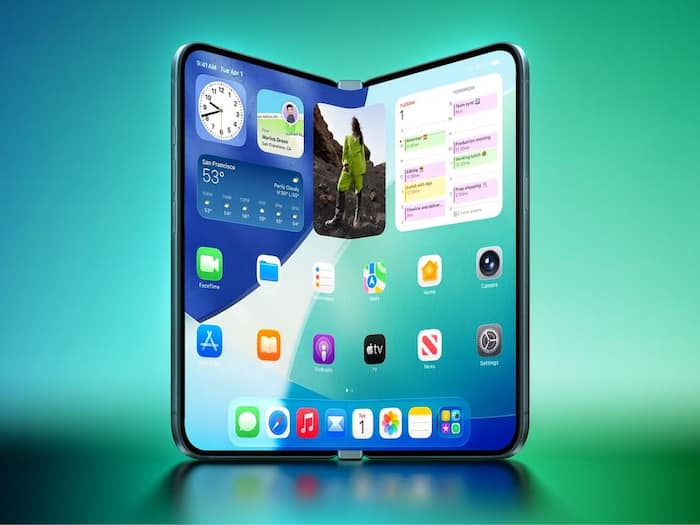
 Apple iPhone Fold (Image: MacRumors)


Written By Shubham Arora
Apple’s long-rumoured foldable iPhone is aiming a 2026 launch, even as the company continues to work through one of the biggest challenges foldable phones face: the display crease. The device, widely referred to as the iPhone Fold or iPhone Ultra in leaks, is expected to arrive in the second half of 2026, and recent reports suggest Apple is still refining key display components rather than facing any major delays.  Also Read: iOS 27 may bring dedicated Siri App with ChatGPT, Gemini, Grok-like features
According to information shared by Digital Chat Station, Apple is currently testing next-generation ultra-thin flexible glass, or UFG, in an effort to minimise the visible crease that appears along the fold. Unlike the ultra-thin glass (UTG) used by most current foldable phones, which tends to deform slightly around the hinge area, Apple’s approach reportedly involves glass panels with uneven thickness. Also Read: Apple launches new business platform to Manage devices, apps and employees easily
The approach involves using thinner glass around the folding area to allow the panel to bend more easily, while the rest of the display remains thicker for added strength. By spreading the stress more evenly across the screen, Apple is trying to make the crease far less noticeable during regular use. The company is still testing this setup as it works through durability checks and manufacturing reliability. Also Read: Apple rolls out iOS 26.4 update: new emojis, playlist playground, more
Although the timing of these tests may seem late, the report does not point to any change in the launch schedule. Apple is believed to be moving into early production validation, a phase where the core design is already finalised. At this point, higher-risk components, including the folding display, are put through additional testing before mass production begins.
The tipster also claims that two Chinese display makers are working on similar ultra-thin flexible glass solutions. This suggests the technology is nearing commercial use. If it delivers as expected, it could help address one of the long-standing trade-offs with foldable phones, where visible creases have largely been accepted as part of the design.
As per earlier leaks, Apple’s foldable iPhone could feature a 5.3- to 5.5-inch outer display, paired with a larger 7.6- to 7.8-inch inner screen when unfolded. The device is said to measure around 120.6 x 83.8mm when folded and expand to 167.6 x 120.6mm when open, with a thickness of just 4.8mm in its unfolded state.

The advanced display technology and form factor are unlikely to come cheap. Current estimates place the price of Apple’s first foldable iPhone between $2,000 and $2,500, positioning it firmly in the ultra-premium segment once it arrives.

Don't Miss Out the Latest Updates. Subscribe to Our Newsletter Today!