Written By Divya
Published By: Divya | Published: Dec 22, 2025, 03:42 PM (IST)


Written By Divya
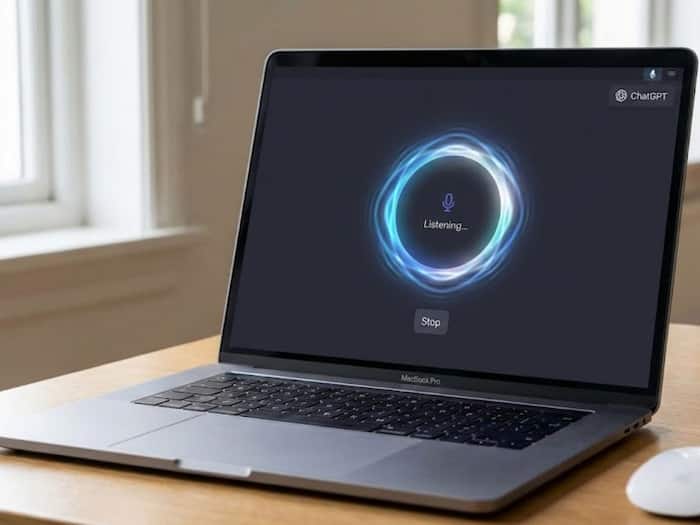
If you’re someone who prefers talking to ChatGPT instead of typing, then know, your favourite feature is about to change. However, it may only impact if you use the macOS app. OpenAI has confirmed that the Voice feature inside the ChatGPT macOS app will be retired starting January 15, 2026.  Also Read: Using ChatGPT? Here’s What You Should Never Share
This update may not sound major at first, but for those who rely on hands-free conversations, accessibility tools, or long spoken prompts, it’s something you’ll need to prepare for, 9to5Mac reported. Also Read: This ChatGPT feature can build full reports for you
According to the latest release notes for the ChatGPT Mac app, OpenAI plans to discontinue Voice mode only on macOS. The company says this decision is part of a broader effort to build “more unified and improved voice experiences” across its platforms.
To be clear:
However, Voice support will remain available on chatgpt.com (web), iOS, iPadOS, Android, and Windows app. So, this is not a complete removal of Voice – just a platform-specific change.
OpenAI hasn’t shared detailed reasoning, but the wording suggests the current Voice setup on macOS doesn’t fit into its future roadmap. Voice is becoming a central part of how people interact with AI, especially as OpenAI moves toward deeper system integrations and prepares new hardware-focused experiences.
Because of that, many see this move as temporary rather than permanent. The Mac app’s current Voice architecture may simply be incompatible with whatever OpenAI is building next. In other words, Voice isn’t going away – it’s likely being reworked.

If you actively use Voice mode on your Mac, you still have time. The feature will continue to work normally until mid-January 2026. After that, you’ll need to switch to the ChatGPT web version or a mobile device (iPhone, iPad, or Android). This may be inconvenient for users who depend on Voice for accessibility, multitasking, or long conversations, but it doesn’t look like a permanent loss.

Don't Miss Out the Latest Updates. Subscribe to Our Newsletter Today!