Written By Divya




Priced at Rs 31,990 for the Wi-Fi variant, the iPad 2025 comes with an 11-inch display and Apple’s A16 chipset. It offers 128GB storage, Touch ID, and 12MP cameras on both the front and back, targeting users who prefer iPadOS and long software support.
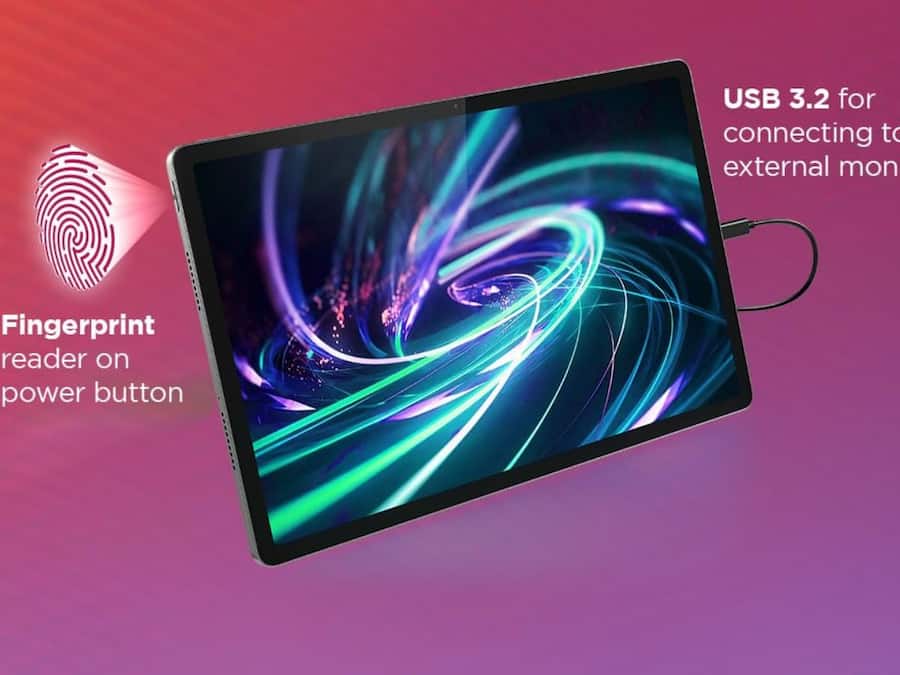
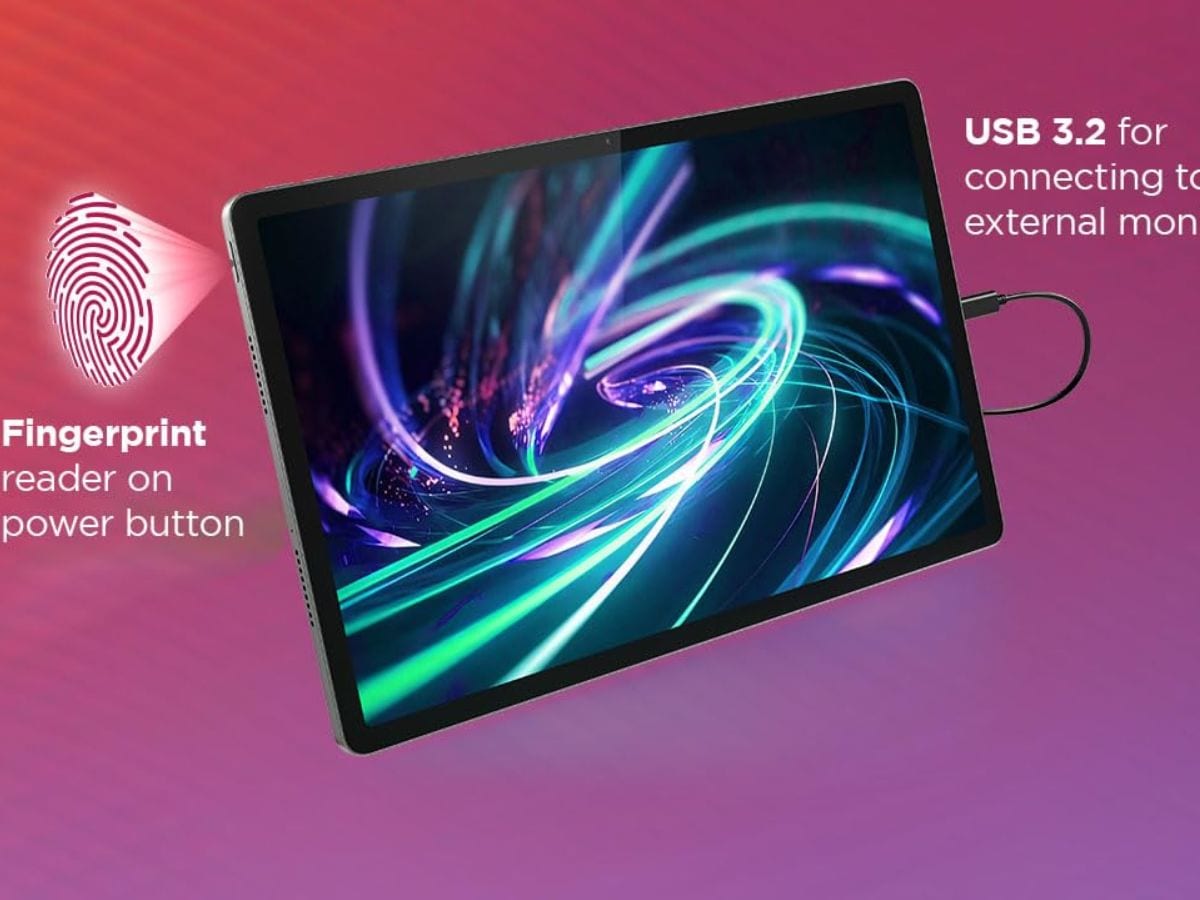
Priced at Rs 26,999, the Lenovo Idea Tab Pro offers a 12.7-inch 3K display with a 144Hz refresh rate. It includes 12GB RAM, 256GB storage, a Dimensity 8300 processor, and a 10,200mAh battery with 45W charging, making it one of the more affordable large-screen options.
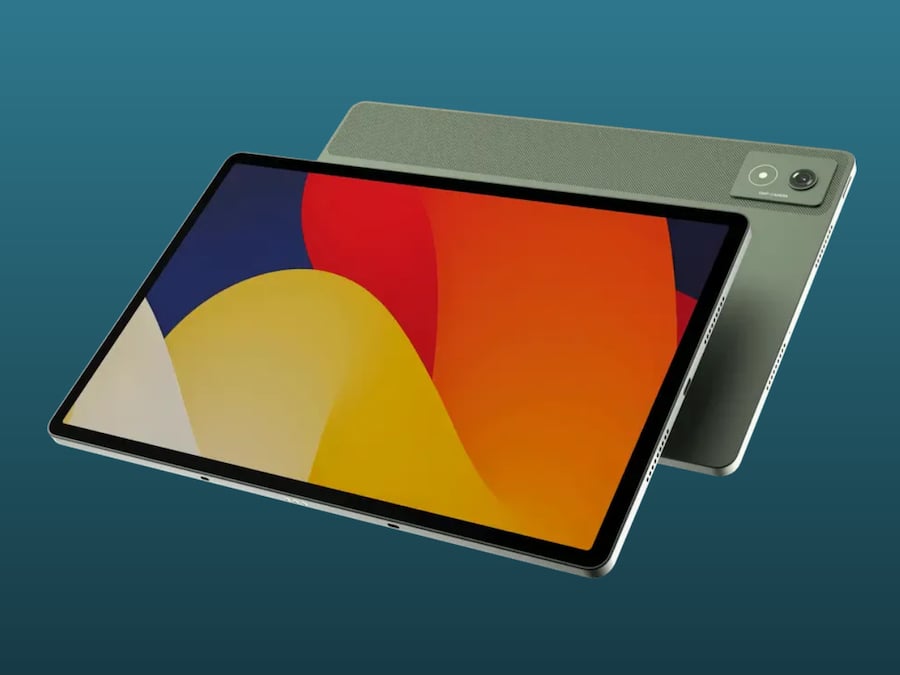
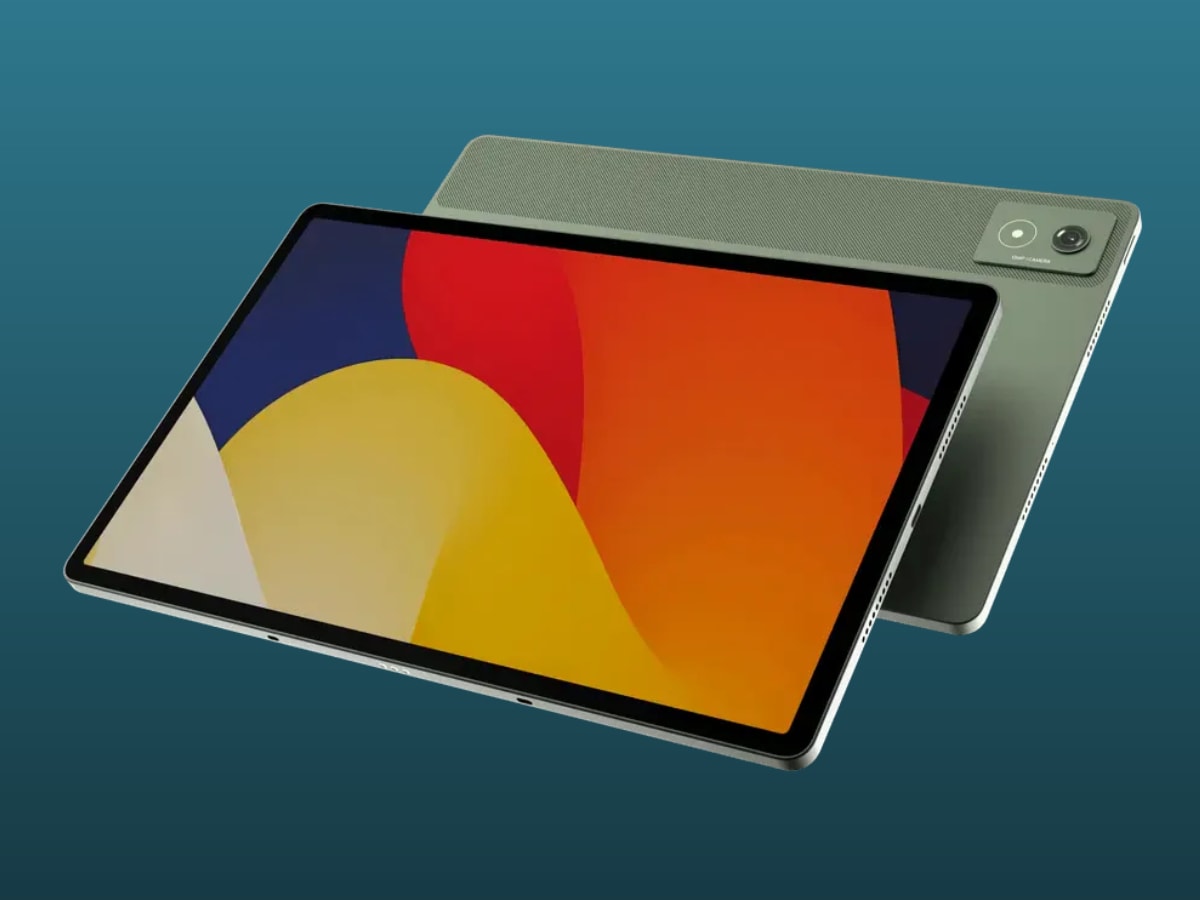
At Rs 31,999, the Moto Pad 60 Pro features a large 12.7-inch 3K display and is powered by the MediaTek Dimensity 8300 chipset. It packs a 10,200mAh battery and comes bundled with the Moto Pen Pro stylus for writing and sketching.

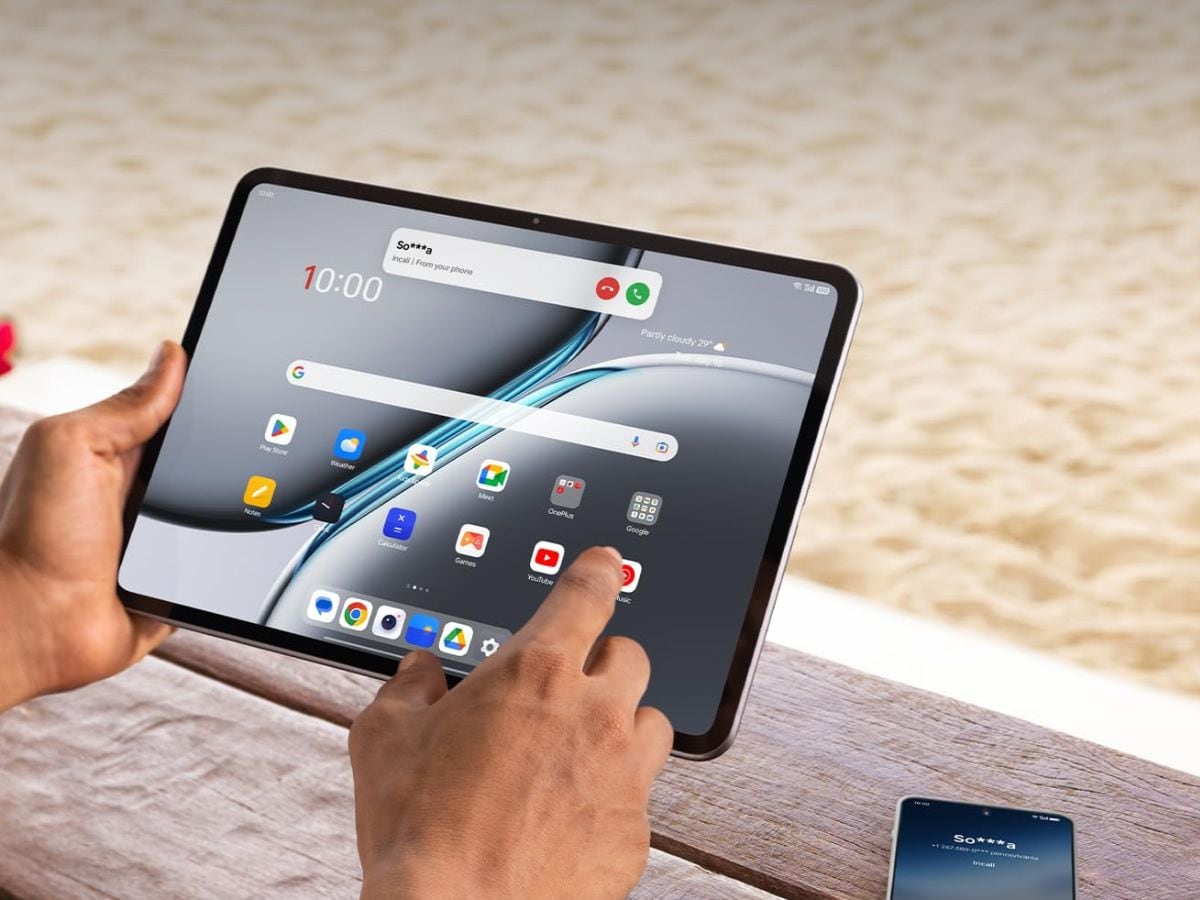
Priced at Rs 31,999, the OnePlus Pad 2 runs on the Snapdragon 8 Gen 3 chipset and features a 12.1-inch LCD display with a 144Hz refresh rate. It includes six speakers and a 9,510mAh battery with 67W fast charging, making it suitable for both productivity and media consumption.
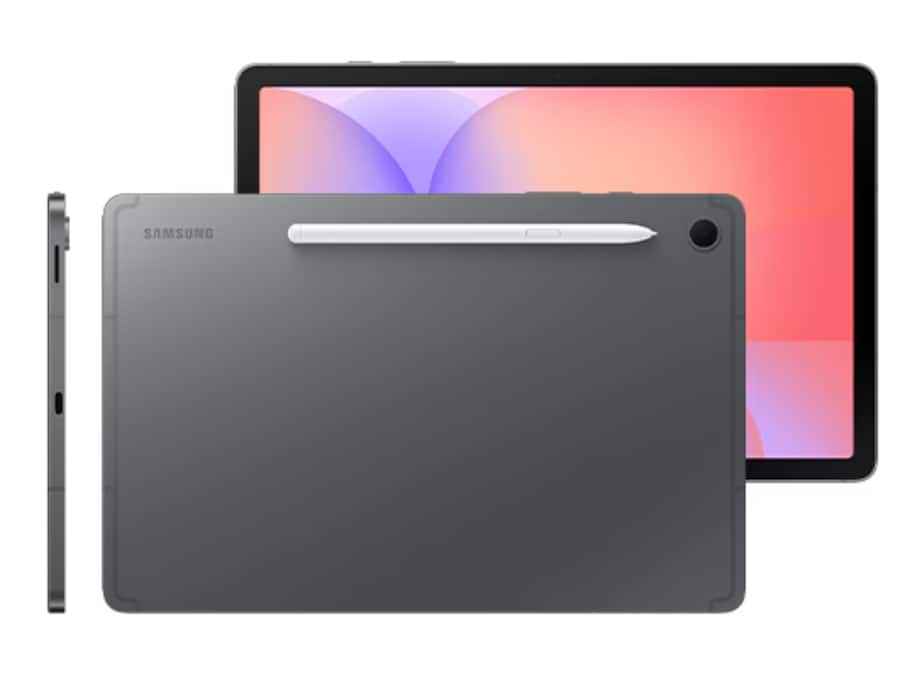
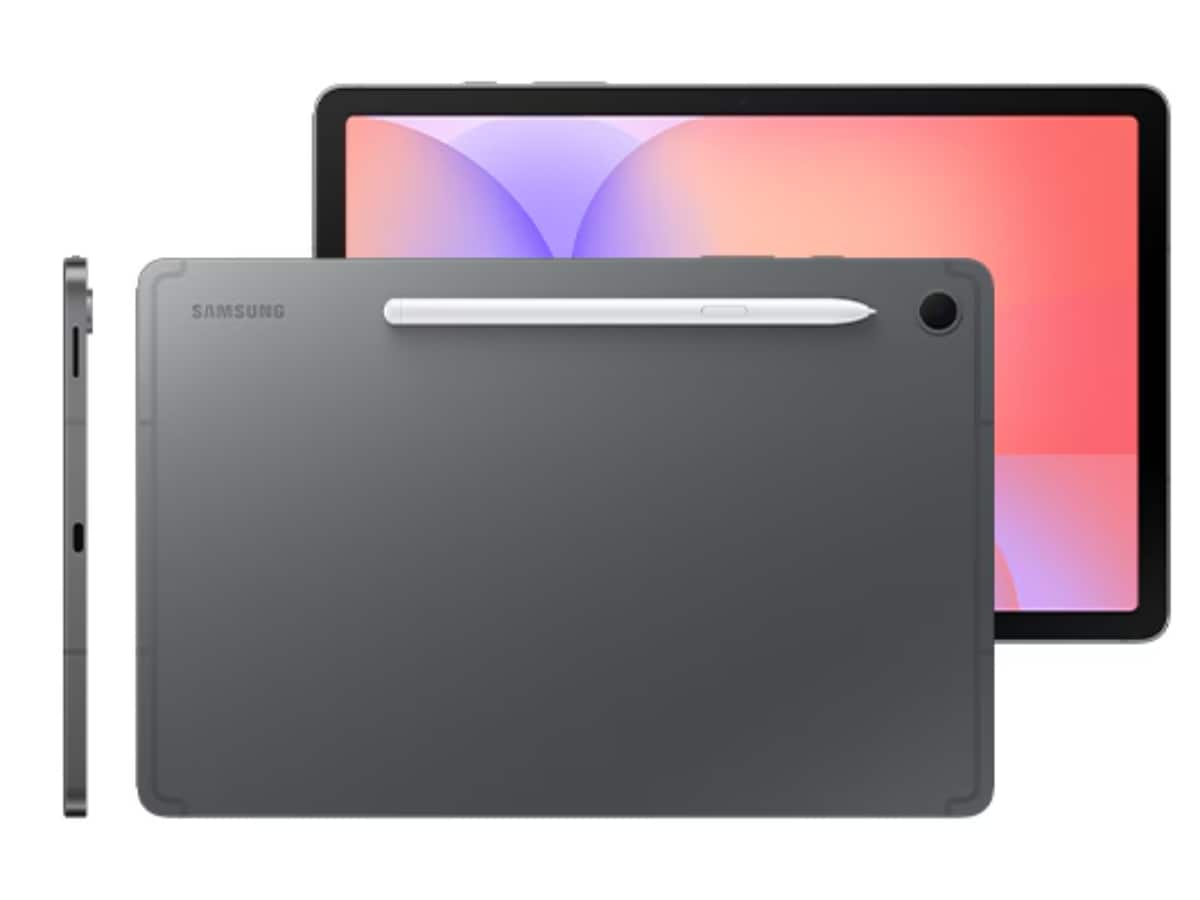
At Rs 37,999, the Galaxy Tab S10 Lite features a 10.9-inch display, S Pen support, and an 8,000mAh battery. It includes an 8MP rear camera, a 5MP front camera, and comes with the S Pen in the box, making it useful for note-taking and basic creative tasks.


The Xiaomi Pad 7 is priced at Rs 29,999 and features an 11.2-inch 3.2K Nano Texture anti-reflective display. Powered by the Snapdragon 7+ Gen 3, it offers 12GB RAM, 256GB storage, Dolby Vision and Atmos support, and runs on HyperOS 2.


When buying a tablet under Rs 40,000, focus on display size and resolution, chipset performance, stylus support, and software ecosystem based on whether you need it for work, study, or entertainment.


For performance, the OnePlus Pad 2 stands out. For stylus use, Samsung and Motorola make sense. For value and display, Xiaomi and Lenovo offer the most features for the price.

Don't Miss Out the Latest Updates. Subscribe to Our Newsletter Today!