What ISRO’s planned semi-cryogenic engine deal with Russia could mean for India’s space plans
ISRO’s proposed deal with Russia for semi-cryogenic engines could improve rocket performance and support missions like Gaganyaan and Venus Orbiter.
Published By: Shubham Arora
Published: May 05, 2026, 11:41 AM (IST)
Indian Space Research Organisation (ISRO) has been working on improving its rocket capability for a while now, and its ongoing talks with Russia's Roscosmos are a part of that effort. As per ISRO's Annual Report 2025-26, officials recently travelled to Moscow for technical discussions, and a draft deal for semi-cryogenic engines is currently under approval.
The possibility of India sourcing engines like the RD-191 from Russia has been discussed since around 2023, but this is the first time official documents have confirmed progress.
What is a semi-cryogenic engine and what fuel it uses
A semi-cryogenic engine runs on kerosene and liquid oxygen. Kerosene can be stored at room temperature, while liquid oxygen needs cryogenic storage. This combination makes the engine more practical than fully cryogenic systems and still capable of producing high thrust. It also avoids the complexity of handling liquid hydrogen, which is used in cryogenic engines.
Engine details and where it has been used
Russia's RD-191 engine, developed by NPO Energomash, is already used in the Angara rocket series. Back in January 2015, Russia's rocket industry had signed a deal with NASA-backed Orbital Sciences to supply a modified version of the RD-191 engine for the Antares rocket.
It delivers around 200-220 tonnes of thrust and is much more powerful than ISRO's Vikas engine, which produces about 60-80 tonnes.
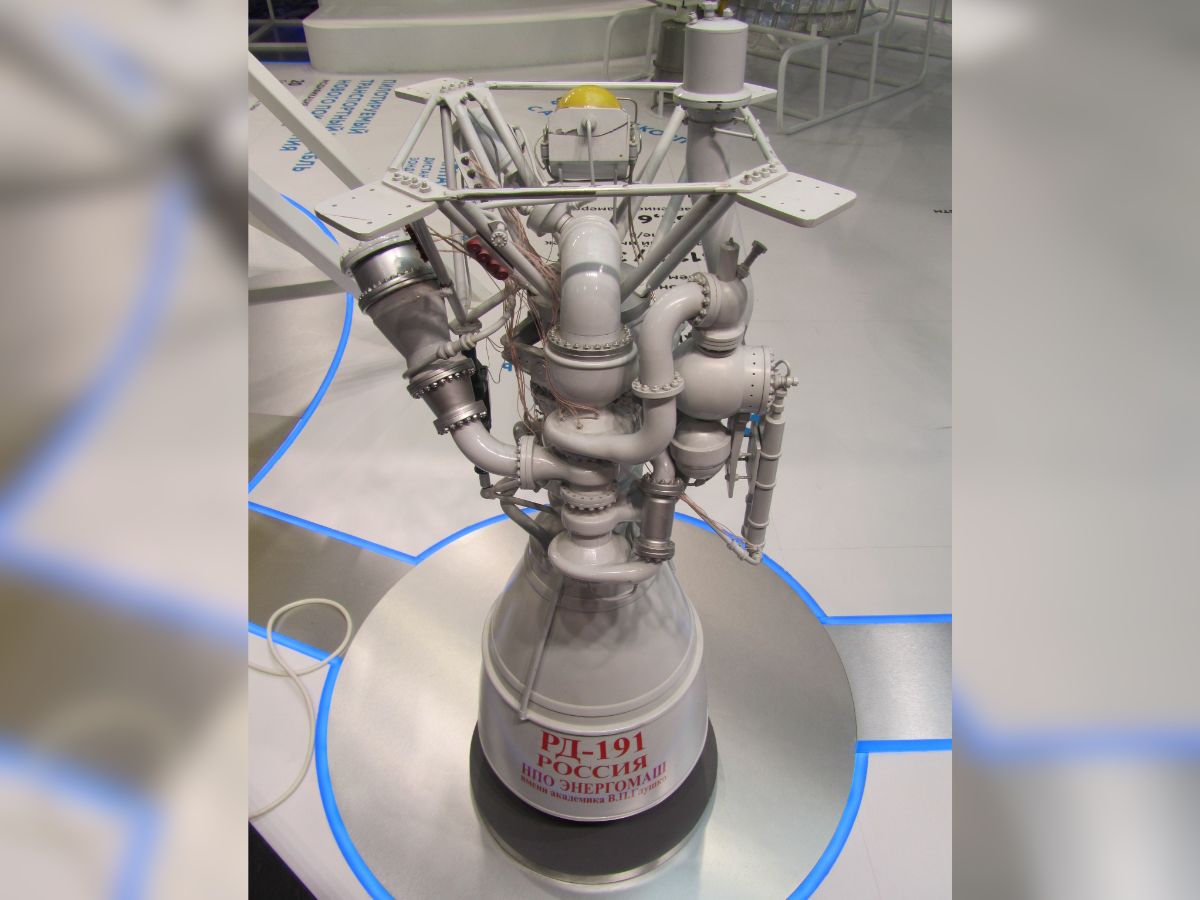
The RD-191 is also throttleable, meaning it can adjust thrust during flight. This helps with better control during flight and also becomes useful if ISRO looks at reusable rocket systems later on.
On the Indian side, ISRO is developing its own semi-cryogenic engine called the SE2000. It is designed for 2000 kN thrust, with chamber pressures going up to 180 bar and feed pressure close to 600 bar. A key milestone was the host test conducted at Mahendragiri in 2025.
Where this engine will be used
The immediate plan is to upgrade the LVM3 rocket. Right now, the LVM3 can carry about 4 to 4.2 tonnes to geostationary transfer orbit.
With a semi-cryogenic stage replacing the current L110 stage, this could increase to about 5 tonnes. This is a step towards reducing dependence on foreign launch providers for heavier satellites.
Which missions will benefit
Stronger rockets are important for upcoming missions like Gaganyaan crewed mission, India's planned space station, and future deep-space missions such as the Venus Orbiter.
Higher payload capacity also means ISRO can launch heavier communication satellites and take on missions that were earlier not possible.
Why ISRO is looking at Russia
India does not yet have a full ready semi-cryogenic engine for operational use. Developing one from scratch takes time, and that is where this collaboration helps.
Getting access to proven engine like RD-191 can speed up progress while ISRO continues its own development work.
How international partnerships help space tech
ISRO's collaboration with Russia is not limited to engines. India and Russia are also working together on other parts of space missions, including payloads for the Venus mission.
These kinds of partnerships usually help speed things up, since both sides bring their own experience to the table. They also make it easier to improve reliability, while India continues working towards building these capabilities on its own.
Get latest Tech and Auto news from Techlusive on our WhatsApp Channel, Facebook, X (Twitter), Instagram and YouTube.