
Written By Shubham Arora
Published By: Shubham Arora | Published: Jan 24, 2026, 06:17 PM (IST)
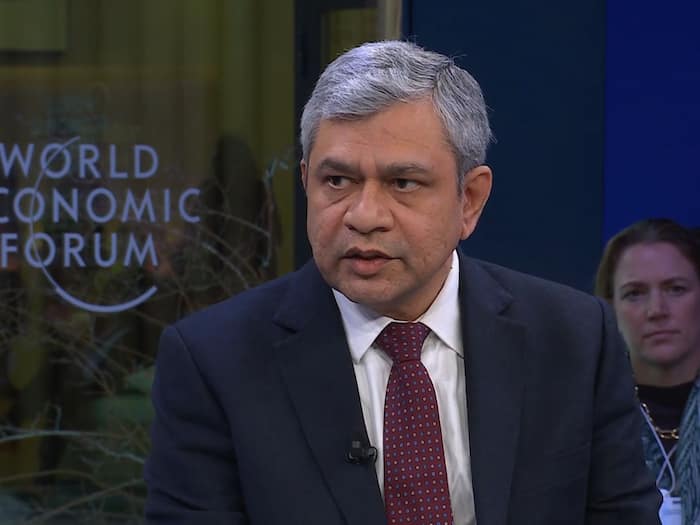
 Ashwini Vaishnaw at World Economic Forum, Davos (Source: World Economic Forum)


Written By Shubham Arora
India could soon see the launch of its own homegrown smartphone brands. According to Union Electronics and IT Minister Ashwini Vaishnaw, the country is around 12 to 18 months away from supporting fully domestic mobile phone brands. The minister shared this timeline while speaking at the World Economic Forum in Davos, pointing to how far India’s electronics ecosystem has come in recent years.  Also Read: Apple’s sixth India store to open in Borivali this February: All details here
India’s smartphone journey so far has largely been about manufacturing and assembly. Over the last decade, that side of the ecosystem has grown rapidly. In 2014, India had just two mobile phone manufacturing units. Today, that number has crossed 300. More importantly, nearly all phones sold in India are now made locally, compared to barely a quarter a decade ago. Also Read: 7 best smartphones under Rs 25,000 in 2026
What is changing now is the ambition. Instead of only assembling phones designed elsewhere, India wants to move into designing, developing, and launching its own brands. According to the government, the supplier base for components such as displays, batteries, chargers, and other parts has matured enough to support this shift.
The timing is not accidental. India’s electronics manufacturing sector is expanding quickly and is expected to touch around USD 300 billion in the next few years, helped by government policies and rising exports. Mobile phone exports from India have already gone up sharply, indicating that phones made in the country are gaining acceptance in overseas markets.
Officials believe this scale and experience make it possible for Indian companies to think beyond contract manufacturing. With design, testing, and production happening locally, domestic brands could compete more effectively on cost and relevance.
Government incentives have played a big role in building the current ecosystem. Support for manufacturing, semiconductors, and electronics components has helped reduce dependence on imports. Vaishnaw has indicated that similar backing would be available for companies looking to build end-to-end smartphone brands, from design to final product.
For buyers, local phone brands could simply mean more options at lower price points. It could also lead to new jobs in areas such as design, research, software, and manufacturing.

While it is still unclear which companies may take the lead, the government has made its intent clear. India no longer wants to stop at assembling smartphones. The next step is building its own brands, and that process may begin sooner than expected.

Don't Miss Out the Latest Updates. Subscribe to Our Newsletter Today!