Written By Deepti Ratnam
Published By: Deepti Ratnam | Published: Apr 20, 2026, 01:37 PM (IST)
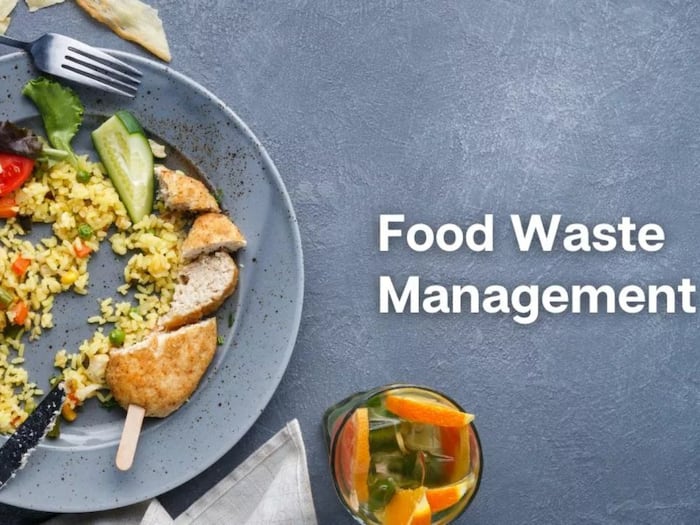
 Food Waste Problem Solved By Technology: Apps, AI systems, and smart farming solutions


Written By Deepti Ratnam
Food waste is one of the most severe issues worldwide. Every day, millions of people worldwide go to sleep hungry, however, a huge quantity of food is thrown away at home, restaurants, and stores. This disparity showcases that production of food is not insufficient, rather we are not aware of the fact that we shouldn’t be wasting food. It requires better and more important systems to ensure that food is available to those in need. This is where technology plays an essential role in connecting food with users and reducing waste. Food items that would have been wasted are now being saved using apps and tools.  Also Read: Best Food Delivery Apps You Didn't know Existed Other Than Zomato and Swiggy
 Also Read: New Year's Eve 2023 saw about 65 lakh food orders in India
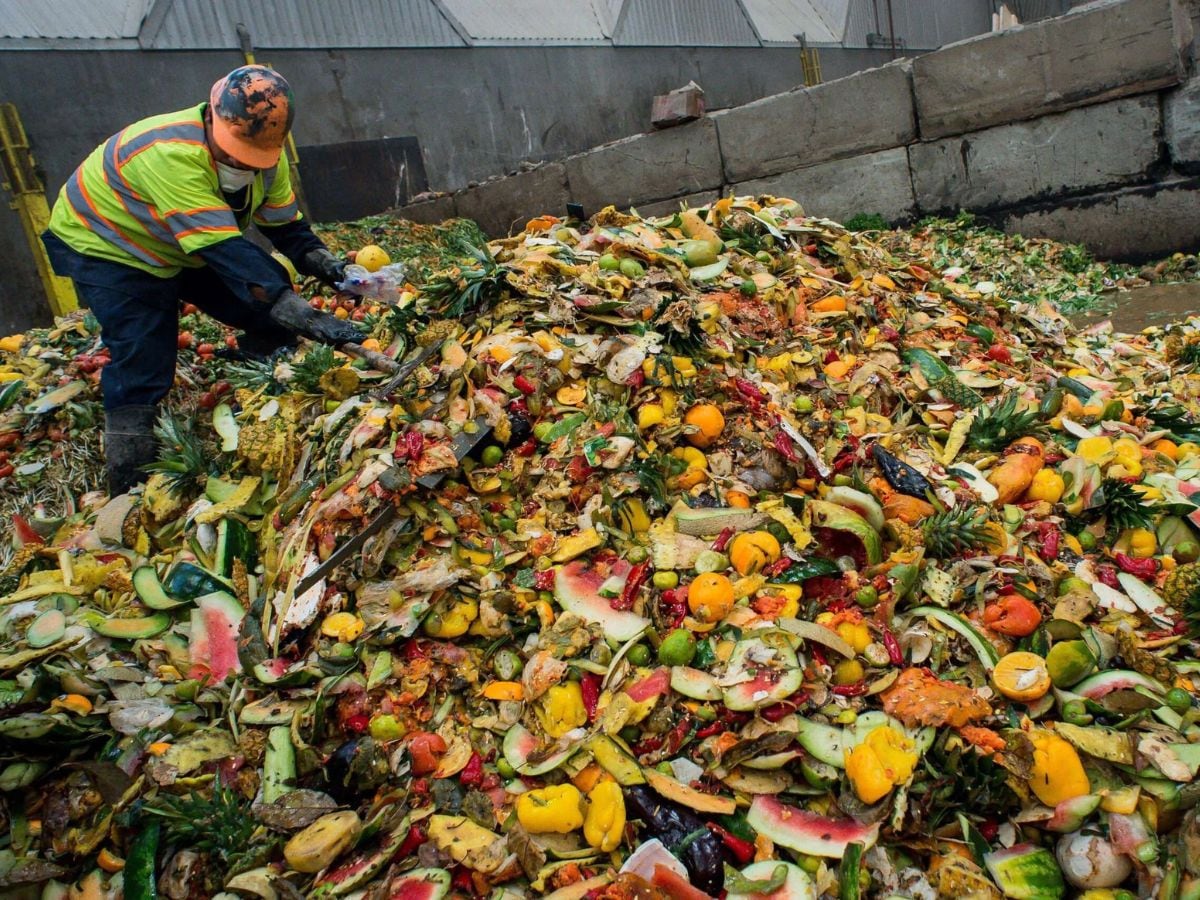
Food waste occurs at several points in the food chain system. The first point it begin is at farms due to poor storage or transport. The second point where food waste occurs is during processing or sale. A large amount of food is getting wasted at restaurants and in homes.
As per report published by the United Nations, it is estimated that more than 1 million of edible food is wasted daily. This is almost the same as the number of meals needed to feed people who go hungry on daily basis.
Food waste also affects environment. One of the main reasons is when food rots in landfills and it produces gases that lead to climate change. Waste minimization can assist in conserving resources and reduce environmental harm.

Technology has simplified the way people can locate and preserve excess food. Different apps work in different countries to connect users with food that would otherwise go to waste.
The Too Good To Go app is used in Denmark and in most cities of Europe and North America to allow its users to purchase unsold food at a discount in restaurants and shops. This app has rescued millions of meals and assists businesses recover value on additional food.
The Yindii app is used in Thailand to imply customers with restaurants and cafes with food on their hands at the end of the day. The users are able to purchase these items at a discount which saves them money and waste.
In Singapore, the Treatsure app provides such services. It allows customers to locate local stores that have surplus food and buy it prior to its disposal.
The app OLIO which enables people to distribute the excess food freely is used in more than 100 countries, such as the UK, USA, Canada, Australia, and most of Europe. Users post food they do not require and other people can claim it. It is a free food sharing program that depends on local involvement.
The FoodCloud in Ireland enables food companies to post details on excess food. This food can then be gathered and supplied by charities to those in need. This application can be used to connect donors to nonprofits, which assist in waste reduction.
The No Food Waste app operates in cities such as Tamil Nadu in India to gather food leftovers in businesses and offer them to people in need. The app helps volunteers and groups to coordinate the collection and delivery of food to the hungry.
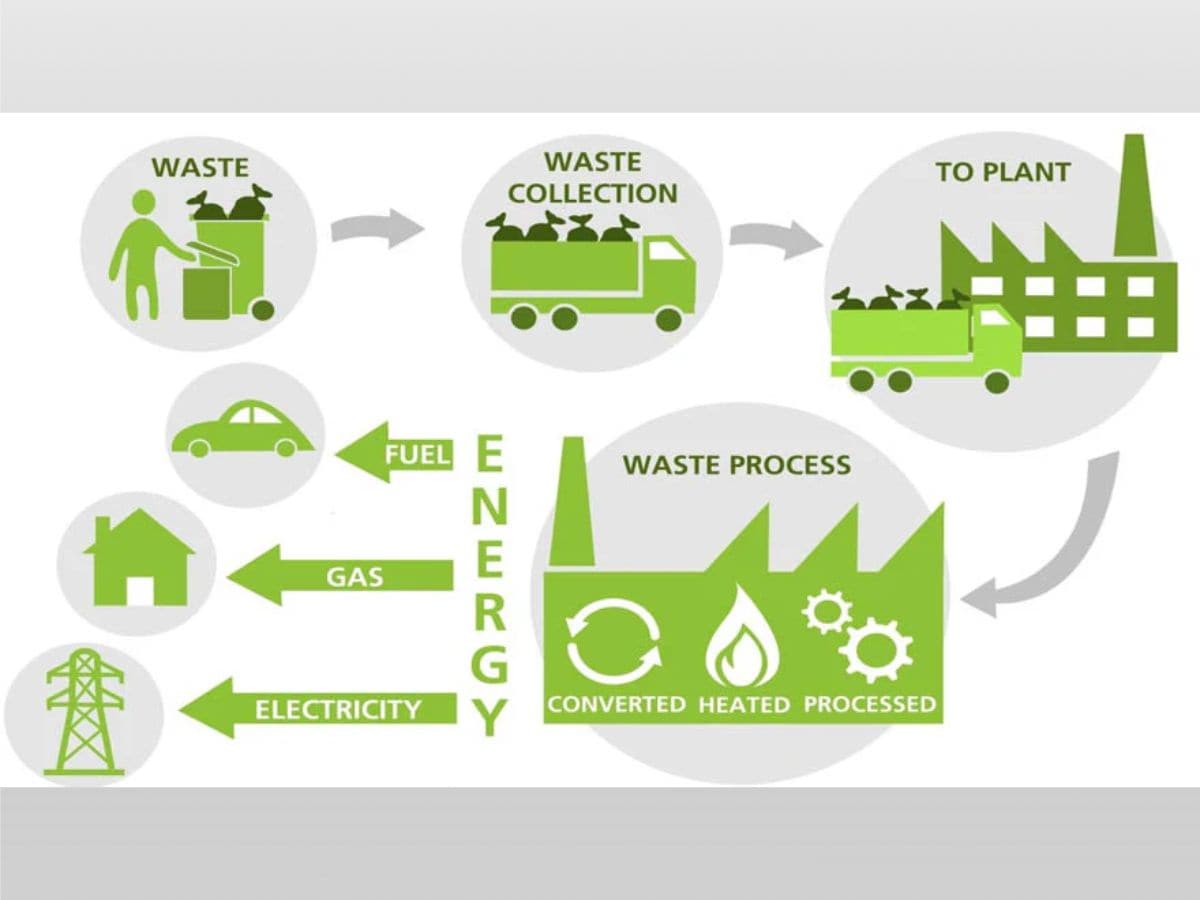
Technology is also used and employed by food delivery services to reduce waste. Zomato launched a Food Rescue program in 2024 in India. The feature allows customers to purchase cancelled food at a reduced price provided they are within a distance. The order cancellations are displayed in the app within a restrictive range and time. These meals can be rapidly claimed by users and before they go to waste. This assists in cutting down on wastage of orders that have been prepared but not delivered.
Technology is also assisting in the prevention of spoilage of food before being served to the consumers. During storage and transportation, sensors are able to trace the temperature and humidity. This is to ensure that food remains fresh longer and to avoid premature spoilage.
The suppliers are assisted by data systems to manage inventory. They are able to monitor demand and prevent excessive stock. This minimizes on wastage of those products that have expired and therefore cannot be sold or consumed.
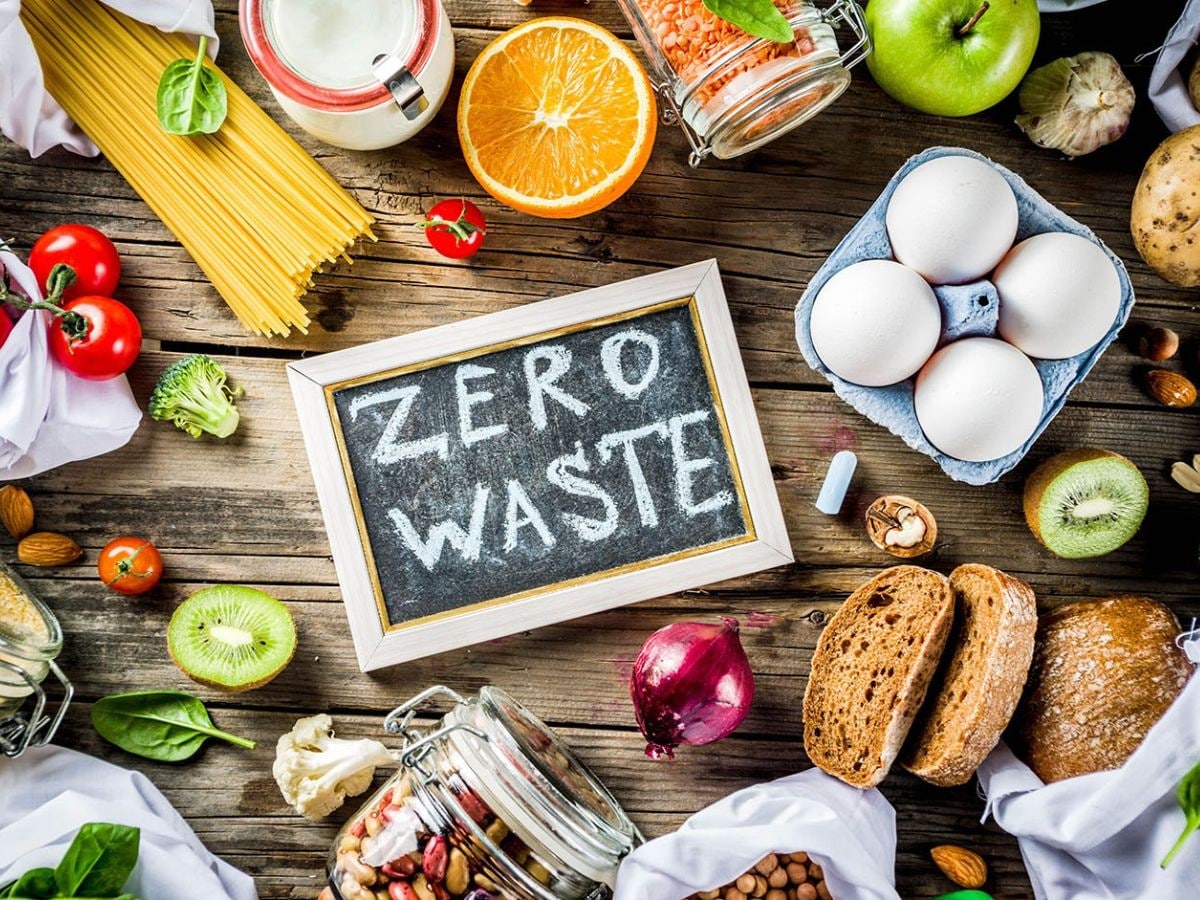
Technology alone cannot solve food waste. The individuals should also change their habits. Numerous websites are currently informing people on how to store their food, how to plan their meals and how to test whether food remains safe to consume.

Waste can be minimized by simple measures such as purchasing only necessary items, consuming leftovers and checking the expiry dates. These habits combined with technology have even more influence.

Don't Miss Out the Latest Updates. Subscribe to Our Newsletter Today!