
Written By Shubham Arora
Published By: Shubham Arora | Published: Feb 10, 2026, 11:31 PM (IST)


Written By Shubham Arora
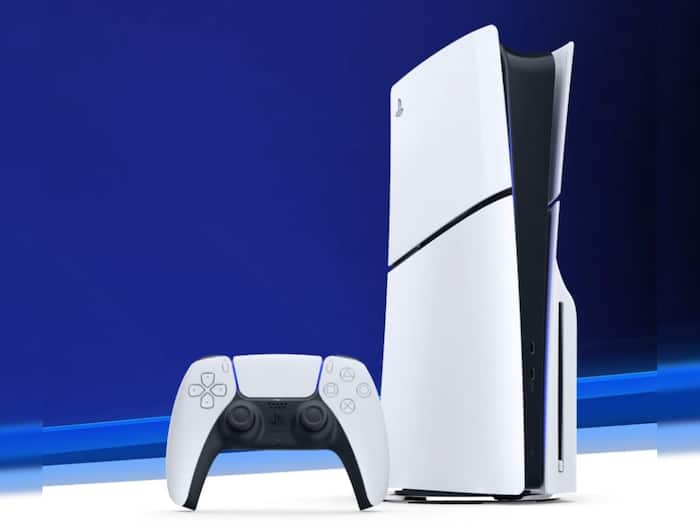
Sony has not announced the PlayStation 6 yet, but leaks are starting to point at what the company may be working on for its next console. One of the more notable claims so far is around system memory, with reports suggesting that the PS6 could ship with a much higher amount of unified memory compared to current PlayStation models.  Also Read: Sony may sell TV business stake to TCL; what it means for you?
According to leaks shared by hardware insider KeplerL2 on community forums, Sony is exploring memory configurations well beyond what is used in the PlayStation 5 and PS5 Pro. Both current consoles come with 16GB of unified memory, although the PS5 Pro offers higher bandwidth and more flexibility for developers. Also Read: Spider-Man’s phone choice sparks debate after Brand New Day trailer
One of the main claims doing the rounds is about memory. The PS6 is said to come with up to 30GB of unified memory. According to the leak, Sony may reach this figure by using ten 3GB GDDR7 memory modules instead of fewer, larger chips. This setup would reportedly use a 160-bit memory bus. Also Read: Starfield PS5 release date is finally official, and it brings a 'big update' too
If accurate, this would be a noticeable jump not just in capacity, but also in speed.
Alongside the increase in memory size, the leak also points to much higher memory bandwidth. With GDDR7 memory running at around 32Gbps, the console could offer close to 640GB/s of memory bandwidth. For comparison, the PlayStation 5 offers 448GB/s, while the PS5 Pro goes up to 576GB/s.
If accurate, the higher bandwidth would allow the system to handle game data more efficiently. This could help with faster texture streaming, smoother gameplay in large open worlds, and support for newer rendering techniques. It may also give developers more flexibility when working with features such as ray tracing and upscaling.
A Digital Trends report adds that Sony may use a different memory split on the PS6. Part of the total memory may be reserved for system functions, while the rest is allocated dynamically to games depending on their needs.
While a 30GB GDDR7 setup would give developers more room to work with, it also brings cost into the picture. GDDR7 is still expensive, and memory pricing has been affected by demand from AI and data centre markets. A higher memory configuration could push the console’s launch price higher.
At the same time, Sony has to think about longevity. A PlayStation console typically stays relevant for six to seven years. Adding more memory early could give developers more headroom later in the generation.

For now, all of this remains based on leaks. Sony has not shared any details about the PS6, and reports suggest the console may not arrive until 2027 or later.

Don't Miss Out the Latest Updates. Subscribe to Our Newsletter Today!