Written By Divya
Edited By: Divya | Published By: Divya | Published: Dec 11, 2025, 05:43 PM (IST)


Written By Divya
Smartphones are an important part of our day-to-day lives. From that morning’s mail, alarm clocks, phone calls to your loved ones, social media to keep in touch with the world, cameras to capture memories, and the list goes on. But the overuse of anything has its own consequences. That’s what Vivo India’s latest ‘Switch Off’ report says!  Also Read: Are AI chatbots changing how humans think? New study raises concerns
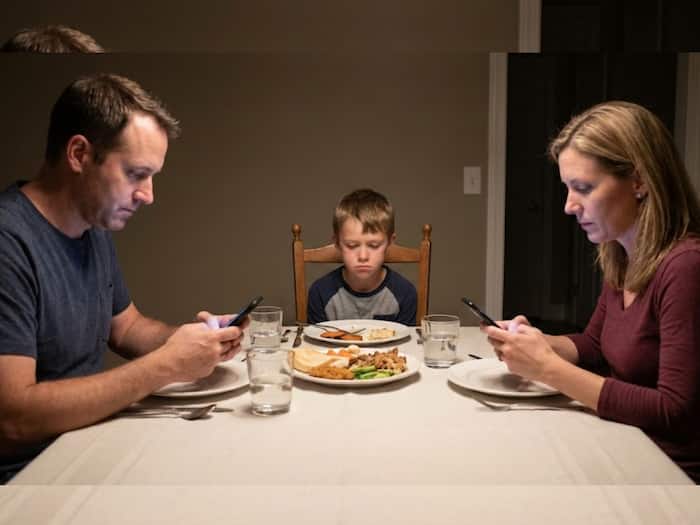
As per the report, the dinner table with and without a phone can have a severely different impact on children as well as their bond with parents. The seventh edition of the study paints a clear picture – children want more presence, parents want balance, and both groups feel dinner time could be their strongest bonding moment, if phones stay off the table. Also Read: OpenAI may bring Sora AI video generator directly to ChatGPT
A major finding from the study is that 72% of parents and 30% of children believe the biggest barrier to meaningful conversations at dinner is parents checking their phones. At the same time, 91% of children say they find it easier to open up when smartphones are kept aside. Dinner naturally becomes the one moment where attention aligns, and families reconnect-if the devices stay out of reach. Also Read: Meta introduced new 'Anti-Scam' tools on WhatsApp, Facebook and Messenger
Interestingly, 72% of children spend their best quality time with parents during phone-free moments at dinner, reinforcing how small changes in behaviour can shift family dynamics. Families are already experimenting with this-turning off notifications, keeping phones away from shared spaces, and picking offline activities to feel more present. And according to the report, the more these habits are practised, the easier it becomes to protect moments of real connection.
One of the most striking insights from this year’s study is the rise of AI as an emotional and academic companion for children.
Kids use AI for homework, personal growth, problem-solving, and sometimes even as a “companion.” Vivo’s report notes that this shift isn’t just about technology-it’s about emotional availability.
The study shows clear behavioural differences:

Both parents and children say they want fewer interruptions and more presence during shared routines. Even small steps-limiting screen time, blocking apps at certain hours, or switching off notifications-help families feel more in control and more connected.

Don't Miss Out the Latest Updates. Subscribe to Our Newsletter Today!