
Written By Deepti Ratnam
Published By: Deepti Ratnam | Published: Dec 31, 2025, 11:06 AM (IST)


Written By Deepti Ratnam
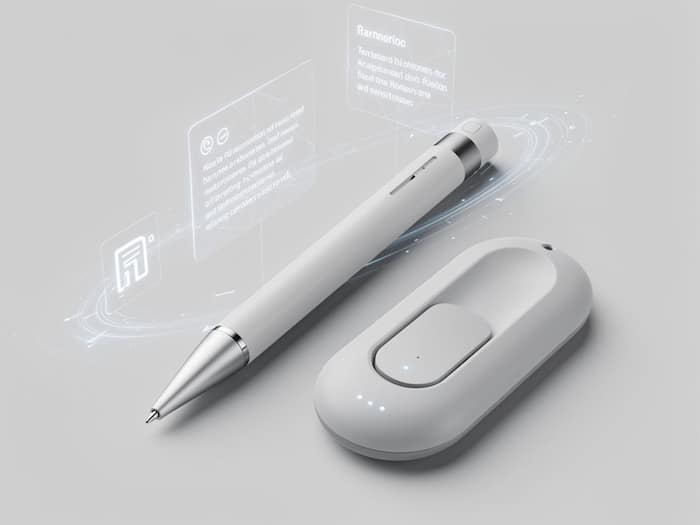
Sam Altman’s OpenAI is always at the centre of innovation and this time it is about an AI-powered pen. Yes, you heard that right! Recent reports indicate that OpenAI could come up with an AI-powered hardware device that takes the unusual form of a pen. Nevertheless, details remain scarce at this point in time, but the project is attracting everyone’s attention. The supposed pen is said to redefine how users interact with AI in everyday tasks. It will have features like note-taking, voice communication, and real-time transcription.
As per reports coming from industry insider Smart Pikachu, OpenAI is working on a new gadget that will be an AI-powered pen. Internally, this pen is called ‘Gumdrop’ and will also work as a portable audio device. Reportedly, this upcoming AI-powered pen by OpenAI will be produced by Foxconn, the same company that manufacture iPhones and other popular tech products.
Earlier Luxshare was hired to manufacture this unique pen, but disagreements over production location led to consider Foxconn facilities in Vietnam. However, there is also the possibility of manufacturing in the United States under discussion.
While we don’t have anything official, but some of the rumored features are coming to the forefront. This AI-powered pen could be capable of integrating AI functions directly into our handwriting. In addition, users will be able to take notes that will be instantly transcribed. These notes will also be processed by ChatGPT.
The device is expected to have a two-way communication along with several audio capabilities. It might function as a voice assistant in a portable form, providing unique convenience for stuents, professionals, and creators.
The move to dedicated hardware is the result of OpenAI realizing that a number of AI-based devices have failed to find their way into the consumer market. Previous offerings such as Rabbit R1 and Humane AI Pin have been criticized to be limited in functionality and value propositions. The pen-based AI device can be a new experience that could work, yet the success of Gumdrop will significantly rely on customers perceiving practical applications of standalone AI devices outside of smartphones and computers.

Provided the successful roll out of an AI pen or a portable device by OpenAI, it may bring about some new possibilities to human-computer interaction. Small AI devices will potentially bring a new generation of people with the ability to reduce physical writing and embrace digital assistance so that people can take notes, manage work, or communicate with digital assistants. Although information is still unverified, the Gumdrop project is an interesting one in terms of exploring AI outside of code by OpenAI.

Don't Miss Out the Latest Updates. Subscribe to Our Newsletter Today!