Written By Shubham Verma
Published By: Shubham Verma | Published: Mar 04, 2024, 12:35 AM (IST)


Written By Shubham Verma
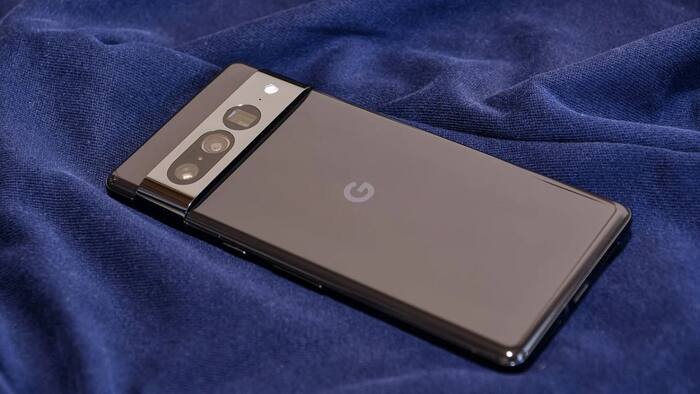
Satellite connectivity, introduced first on an iPhone, is slowly coming to more and more Android phones. After Huawei, the satellite SOS functionality is now coming to Google Pixel phones. According to a report, Google may have accidentally rolled out a new “Satellite SOS” feature under the Safety & emergency section of the Pixel phone through a recent update to Adaptive Connectivity Services.  Also Read: Google Pixel 10a launch date, specs, price in India, design, colours: All details so far
9to5Google has reported that some Pixel devices have started showing the new satellite SOS feature. While the availability of this tool is unclear, you check whether or not your Pixel phone has received it by heading to Settings, followed by tapping on the Safety & emergency section. However, the report added tapping will not do anything, possibly because Google has not officially rolled it out. Once that happens, we will finally have a clear picture of how Pixel’s emergency satellite communication is different from Apple’s. Also Read: Cheaper than iPhone 17, but still premium: Check these top 6 Android phones
Meanwhile, folks at the publication managed to access the menu of Satellite SOS on a rooted Pixel device. In the report, they mentioned that the Satellite SOS will allow users to “message with emergency services and share your location when you can’t connect to a mobile or Wi-Fi network.” Simply, in a remote location where cellular connectivity is scarce, the Satellite SOS tool will allow users to call or text emergency services, share their location using Google Maps, and answer questions about emergencies.

For now, Google has not officially said anything about Pixel’s new emergency satellite services, but it is good news for the Android ecosystem. After Apple introduced the functionality two years back, Android hardware makers, too, began working on their version of satellite communication. Qualcomm also announced it would allow satellite communication features on high-end Snapdragon chips in partnership with Iridium. However, it cancelled the chip about 10 months later, citing a lack of interest in the technology from OEMs. Google pushing out its version of satellite communication may encourage Qualcomm to restart the development of the technology.

Don't Miss Out the Latest Updates. Subscribe to Our Newsletter Today!