Written By Divya
Edited By: Divya | Published By: Divya | Published: Feb 07, 2026, 06:19 PM (IST)


Written By Divya
India is preparing for the next phase of its semiconductor push, with the government hints their plans to eventually manufacture 2nm chips domestically while supporting design startups that can compete globally.  Also Read: Global smartphone processors may see a dip in 2026, says Counterpoint
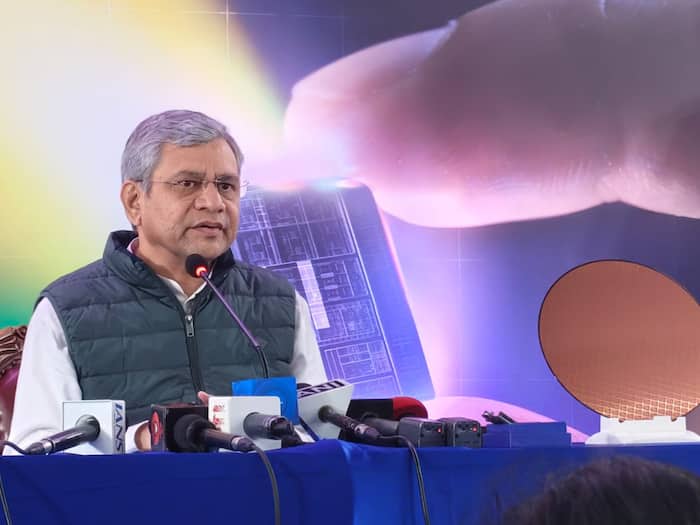
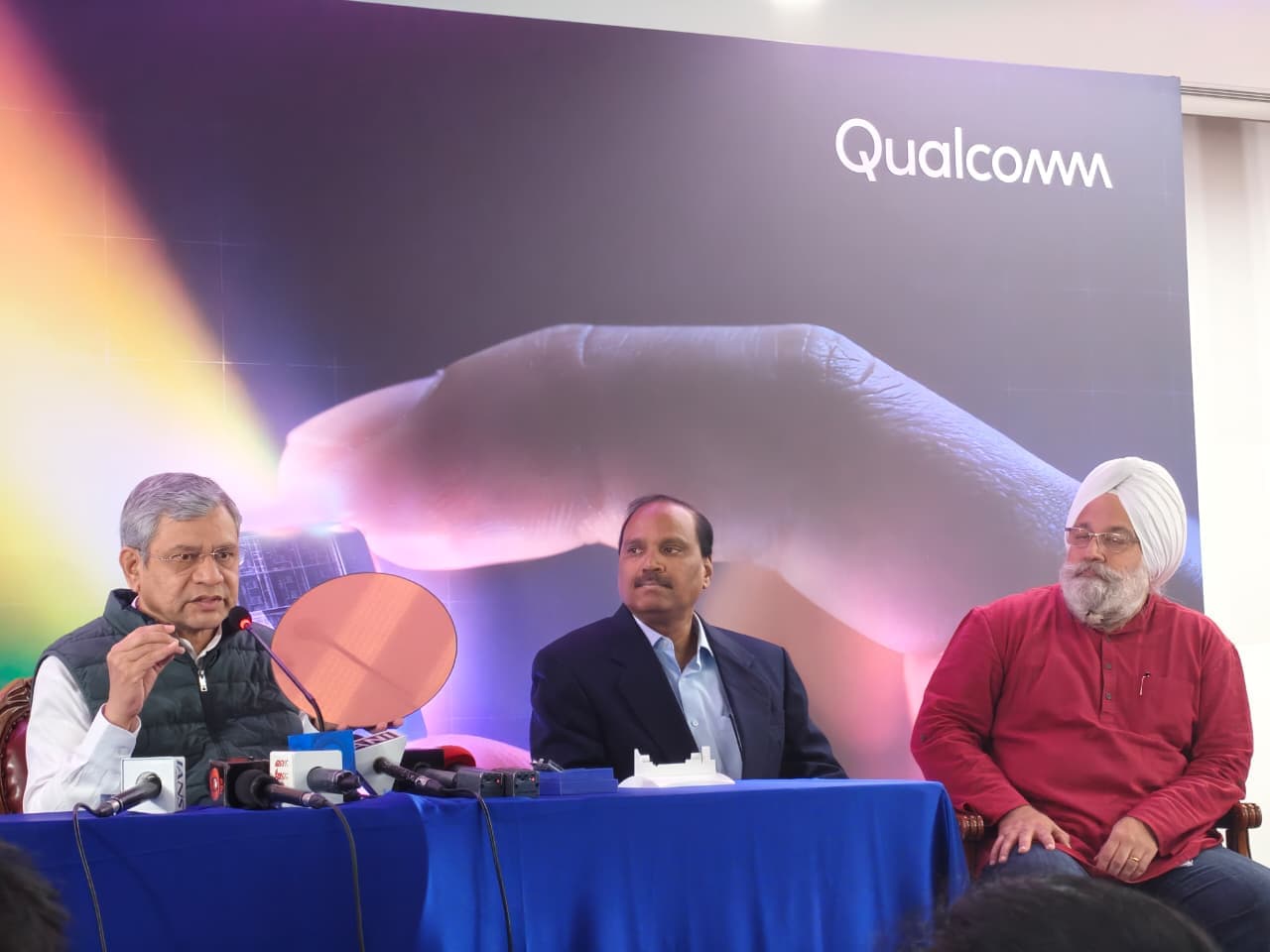
“The 2 nanometre wafer.. let’s keep that as our target. 2 nanometres should also be fabbed in India.” Union IT Minister Ashwini Vaishnaw said during his visit to Qualcomm’s Bengaluru campus. Also Read: India’s smartphone story could enter a new phase in the next 18 months, says Ashwini Vaishnaw at Davos
The upcoming Semicon 2.0 programme is expected to place a strong focus on product design and innovation. Vaishnaw further said, “In Semicon 2.0, the topmost priority will be design companies… who can design a product, take it to the market, and become the next Qualcomm from India.” The Semicon 2.0 mission’s next phase is said to focus on design as the topmost priority, along with equipment makers and material suppliers. Also Read: This Android phone tries to replace your laptop by running Windows and Linux
What remains the highlighted part of India’s plans for chipsets is the talent development. “We took the target of 85,000 semiconductor-trained talent over a period of 10 years… within 4 years, we have been able to do 67,000 semiconductor-trained engineers,” Vaishnaw said. He added that the global industry is facing a shortage, and India could play a key role in filling the gap.
Vaishnaw also said that the global semiconductor industry is facing a talent shortage of nearly one million workers, adding that the gap will “practically be filled up mostly from India.”
One of the most talked-about topics right now is artificial intelligence, and it is almost impossible to separate it from any conversation around technology. The semiconductor push also comes at a time when AI is rapidly becoming a part of everyday life, from chatbots and productivity tools to smart devices and enterprise automation.
While talking about this shift, Union IT Minister Ashwini Vaishnaw said, “As AI is progressing… the software industry will change forever,” noting that the transformation will bring both disruption and opportunity. He further suggests that while AI may alter traditional job roles, it also opens the door for new kinds of technology-based solutions. He suggested that there is a need for closer collaboration between industry, academia, and the government to ensure that students as well as existing employees are equipped with the right skills.

In the long term, the government views semiconductor growth as a sustained effort rather than a short sprint. “It’s a long journey… a 20-year roadmap that we have to lay for the country.” Vaishnaw said. If executed well, the next phase of the mission could help India transition from a design hub to a more complete semiconductor ecosystem in the years ahead.

Don't Miss Out the Latest Updates. Subscribe to Our Newsletter Today!