How AI is becoming the backbone of the 2026 FIFA World Cup
Artificial intelligence is set to play a central role at the 2026 FIFA World Cup, powering everything from team preparation and refereeing to broadcasting and fan engagement. FIFA and Lenovo are introducing AI-driven technologies that could redefine how football's biggest tournament is played and experienced.
Published By: Deepti Ratnam
Published: Jul 01, 2026, 04:37 PM (IST)
Artificial Intelligence is playing one of the major roles at FIFA World Cup 2026. This is for the first time when rather than being limited to a post-match analysis, the fan engagement is handled by AI and it will be used in broadcasting, player safety, officiating, team preparation, and tournament operations. This makes it one of the most technology-friendly and driven-editions off the tournament.
This year's FIFA World Cup is happening in collaboration with Lenovo. The match authority is rolling out various AI-powered tools, such as 3D player avatars, broadcast features, offside technology, and connected match balls. These enhancements are brought with an aim to improve decision-making along with giving access to fans about match insights.
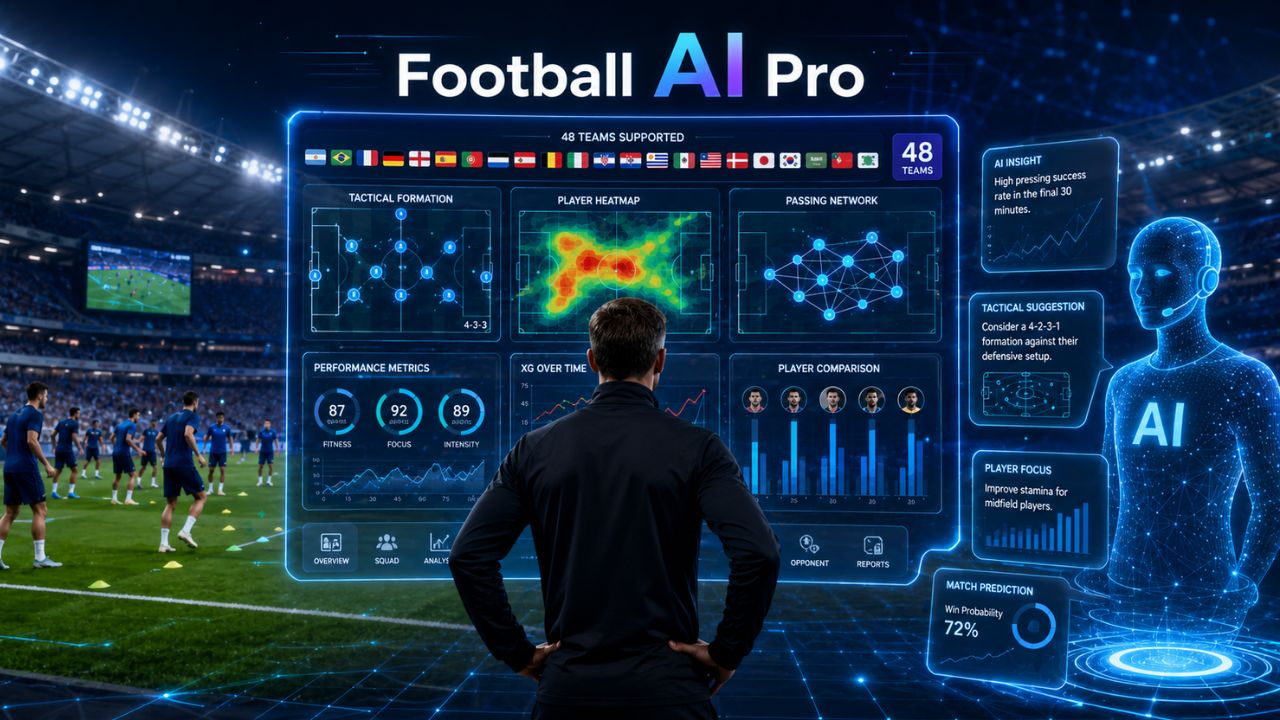
FIFA World Cup 2026 have Football AI Pro that supports all 48 teams
The biggest additions include Football AI Pro, the generative AI assistant, developed by FIFA and Lenovo, for all 48 teams.
It is developed based on the FIFA's Football Language model and the analysis of hundreds of millions of data points related to football collected from FIFA competitions. It can produce match analysis in text, graphs, videos and interactive 3D visualisation and provide prompts in various languages.
FIFA claims that Football AI Pro was created to make data analysis easier for coaches, allowing teams to streamline the process of going from data to recommendations, both before and after games.
FIFA President Gianni Infantino said the platform will be used to make football analytics "accessible to everyone and to give every team the same resources. But it will still rely on the coaching staff and analysts of the teams to make use of those insights.
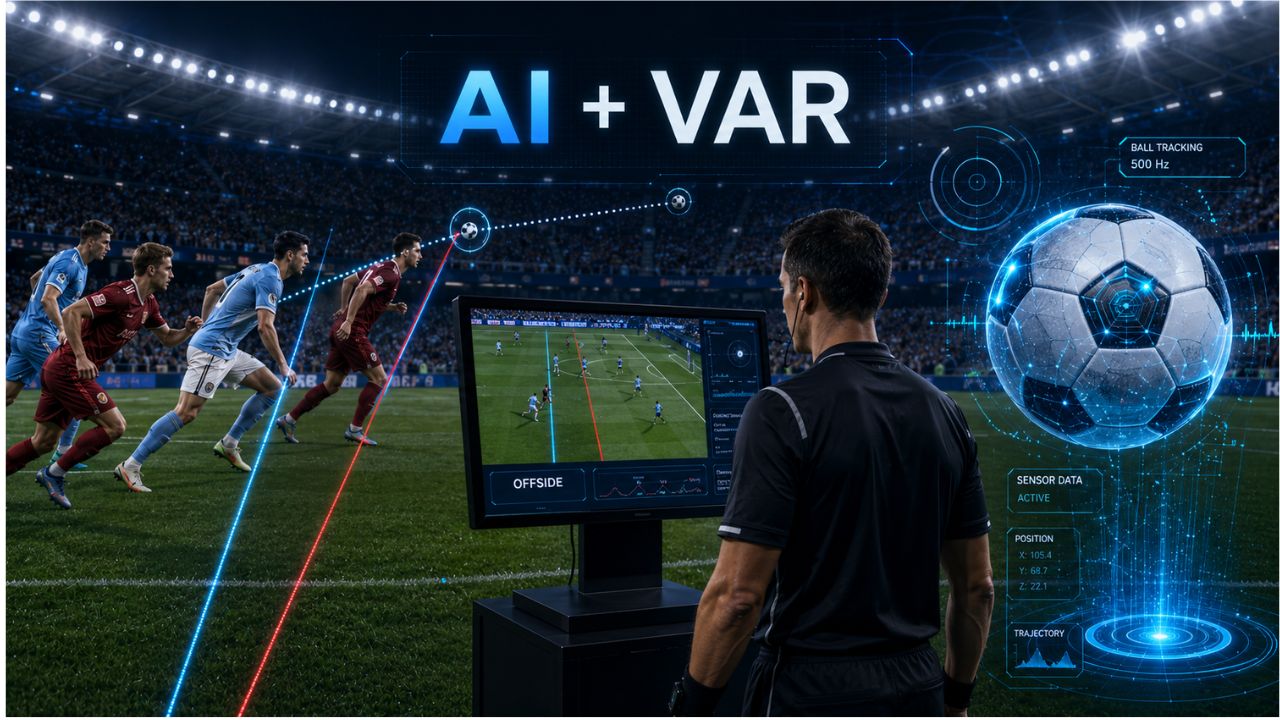
Faster decision with the help of AI
Artificial intelligence will also help to efficiently officiating during the tournament
In the semi automated offside system, player tracking cameras and an attached match ball work in conjunction with AI software to assist the referee with near real-time accurate offside decisions.
The official TRIONDA match ball features a built in motion sensor which records the ball's motion 500 times per second. That info goes straight to the Video Assistant Referee (VAR) system, enabling officials to determine exactly when the ball was played.
Together with player tracking data, the system can give a clearer view of where players are located when it comes to close offside calls, helping to minimise the guesswork for officials and ensure that decisions are made more quickly.
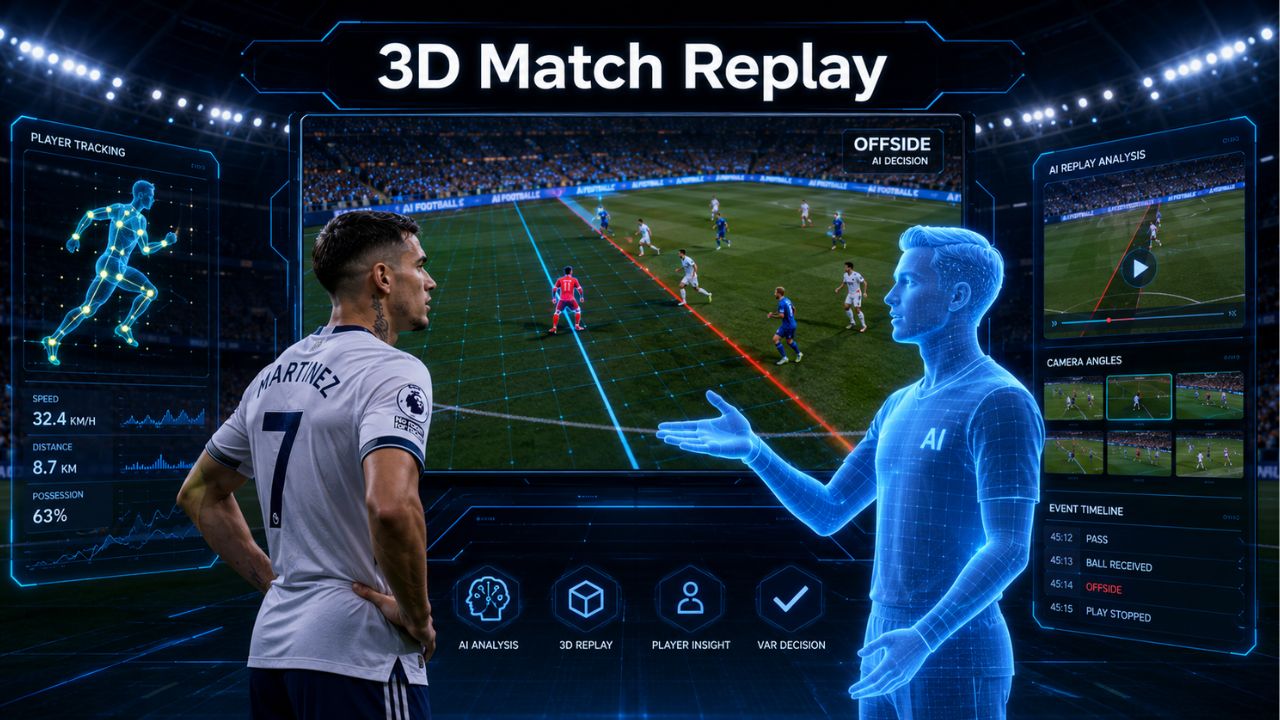
3D avatars of players will describe the calls of VARs
FIFA is implementing AI-generated 3D player avatars to help facilitate their decisions.
Prior to the tournament, players will be scanned digitally to create detailed 3D models. These avatars will be used to replay offside decisions in the stadium and on TV.
Rather than a single freeze frame image with offside lines, viewers will get animated footage depicting the positions of players and why the offside decision was made.
FIFA feels this will ensure controversial decisions will be more understandable for players, coaches and spectators.
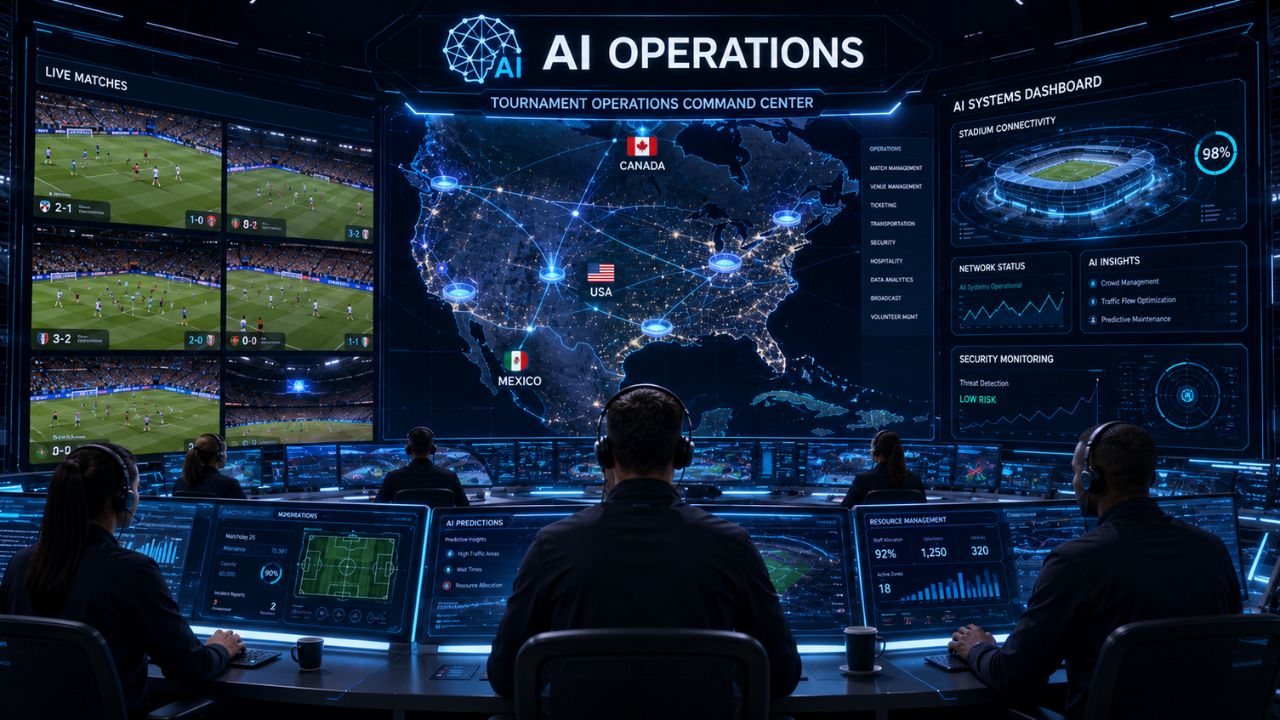
The tournament will be enhanced by the use of AI
AI will not only assist in managing tasks like scoring, but it will also contribute to the smooth execution of numerous other aspects of the tournament outside the football field.
Lenovo, as the Official Technology Partner of FIFA, is helping to power several of the tournament's AI systems by supplying the infrastructure. Video feeds from stadiums around the United States, Canada and Mexico will be picked up live and processed at International Broadcast Centre servers in Dallas before being sent to broadcasters around the world.
The infrastructure will also enable FIFA's Technology Command Center in Miami, and the Tournament Operations Center, to track important systems of the tournament in real time.
Through the shared AI-powered platform, various technologies such as Football AI Pro, officiating systems, and broadcast technology can have access to the same live data instead of working in isolation.
AI will create new experiences for fans
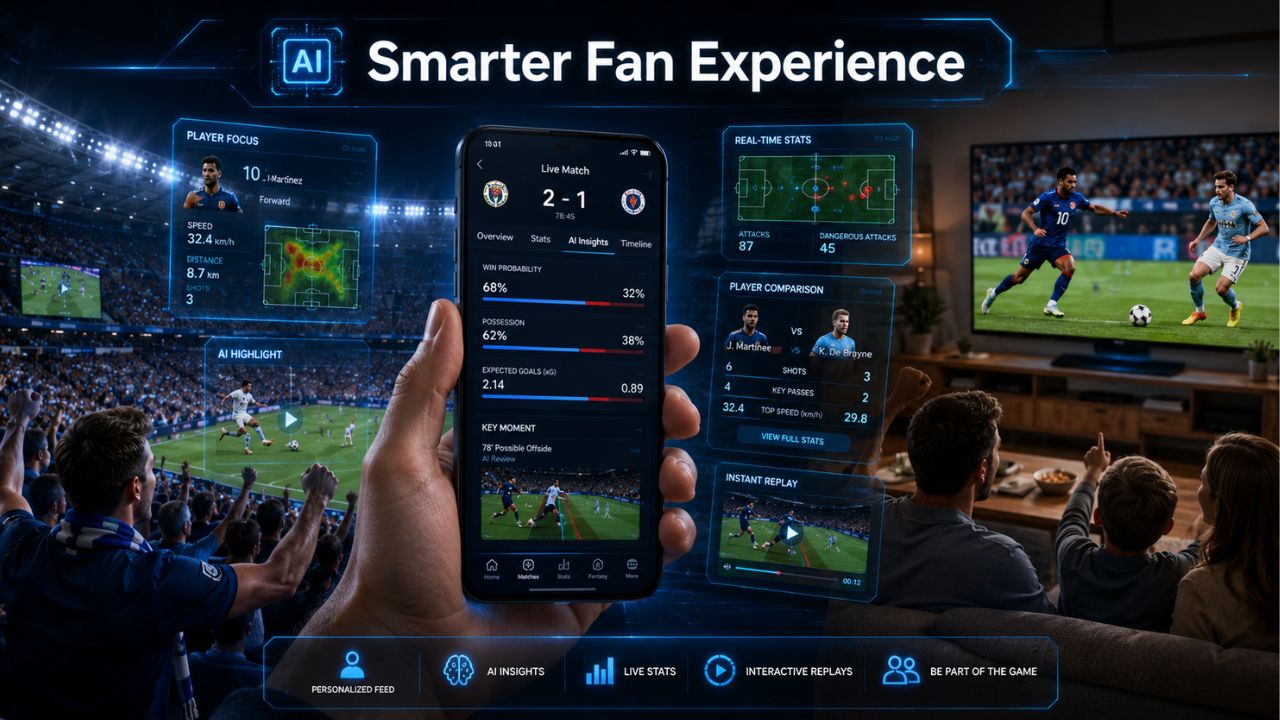
AI is also helping to enhance the end-user experience for fans at FIFA.
AI-generated 3D player avatars, connected ball data, referee body-camera footage and low-latency streaming will give fans more in-depth coverage of matches and detailed explanations of all the key moments.
According to FIFA and Lenovo, these will transform the complex data of a match into graphics and analysis that will be more accessible for fans both on the inside of stadiums and during live coverage.
AI will also assist referees in the process
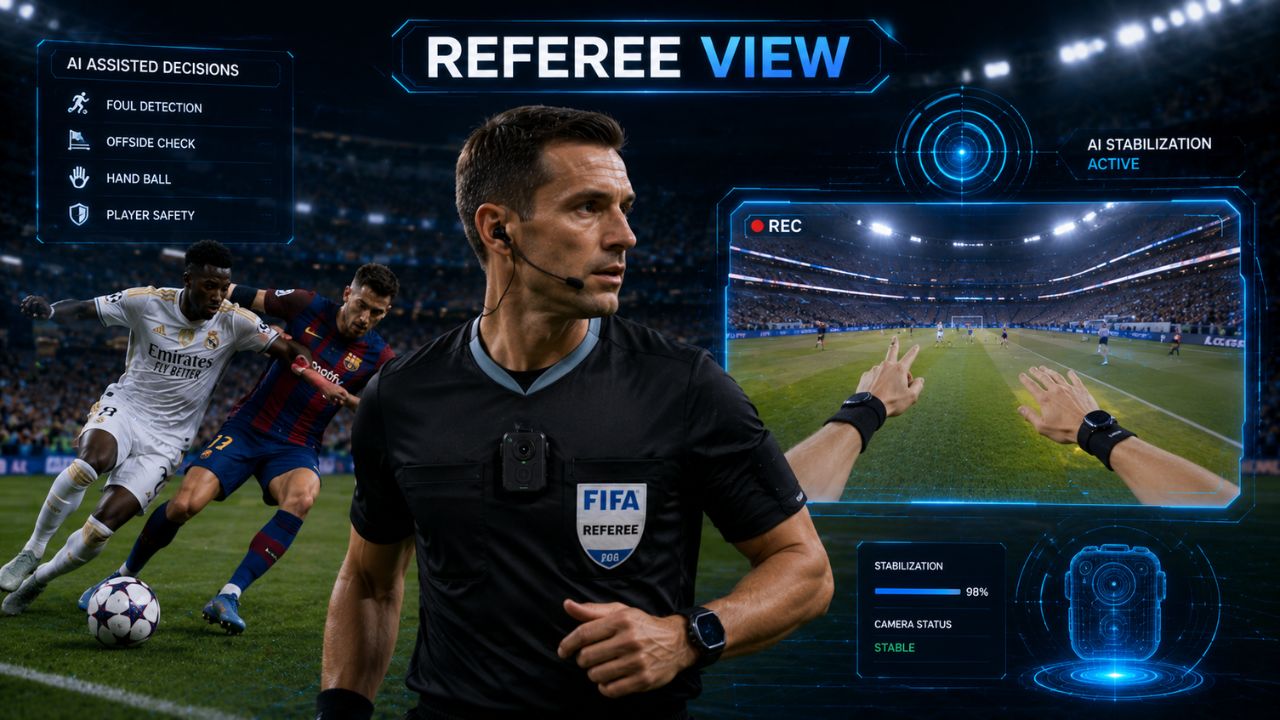
Another technology is making its debut at the tournament: Referee View, which uses AI to stabilise images that are recorded by cameras worn by referees.
The system decreases blurriness and camera shake, offering a more transparent perspective of the first-person action of significant moments in a match.
The film can also be played back at the end of the game to practice the referees and analyze the play. FIFA states that the tech will be used as a supplement to the referees, not a replacement.

Player's safety
AI will also be helping to keep players and supporters safe during the tournament.
AI powered systems will support matches across the host cities in the United States, Canada and Mexico with the help of the millions of fans that are expected to attend matches.
Additionally, FIFA has set AI as a safety measure to enhance the security of the games online and behind the scenes.
AI is becoming part of football's future
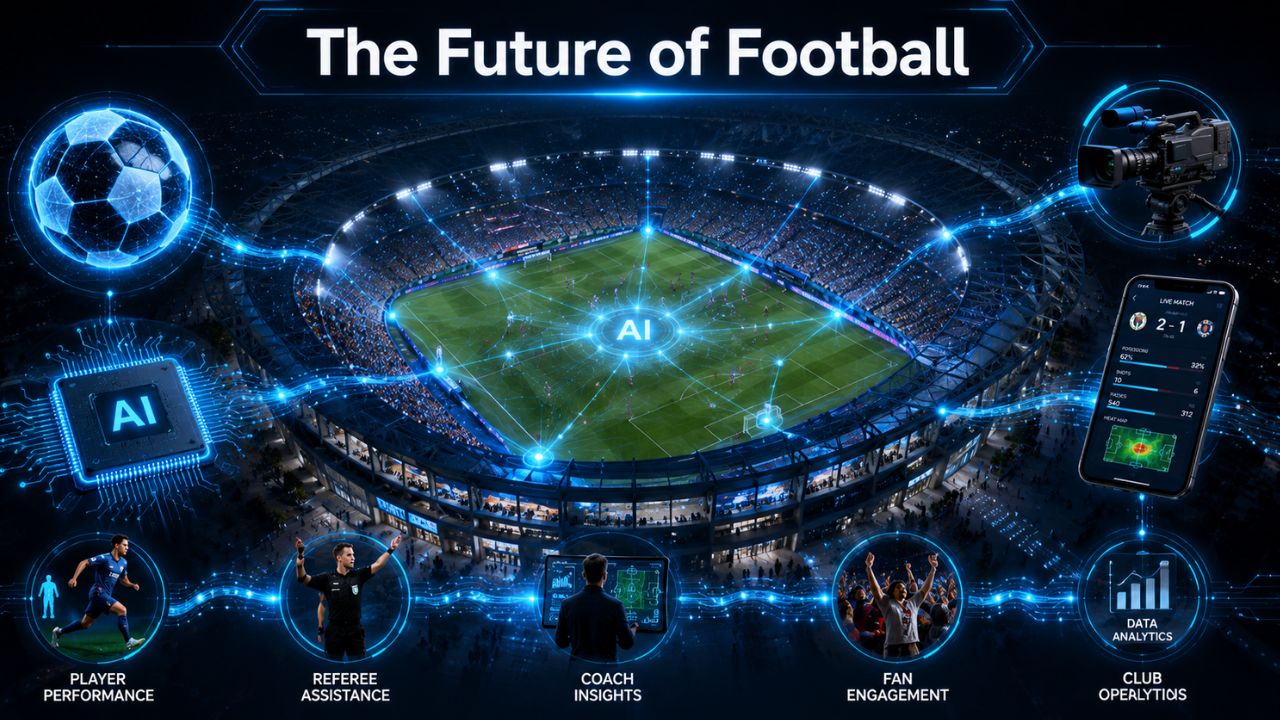
The FIFA World Cup 2026 not just represents the largest deployments of AI technology, but also delivering a connected ecosystem that supports operations, engagement, broadcasting, and officiating efficiently. While all these technologies will improve transparency, efficiency, and access to data, their success will also depend on how well and responsibly they are deployed and implemented. AI is indeed integrated deeply into the sporting event, but its fairness, public trust, and transparency still remains an important factor in the match.
Get latest Tech and Auto news from Techlusive on our WhatsApp Channel, Facebook, X (Twitter), Instagram and YouTube.