
Written By TECH Staff


Written By TECH Staff
Edited by TECH Staff |Published: Sep 07, 2026, 03:16 PM (IST)
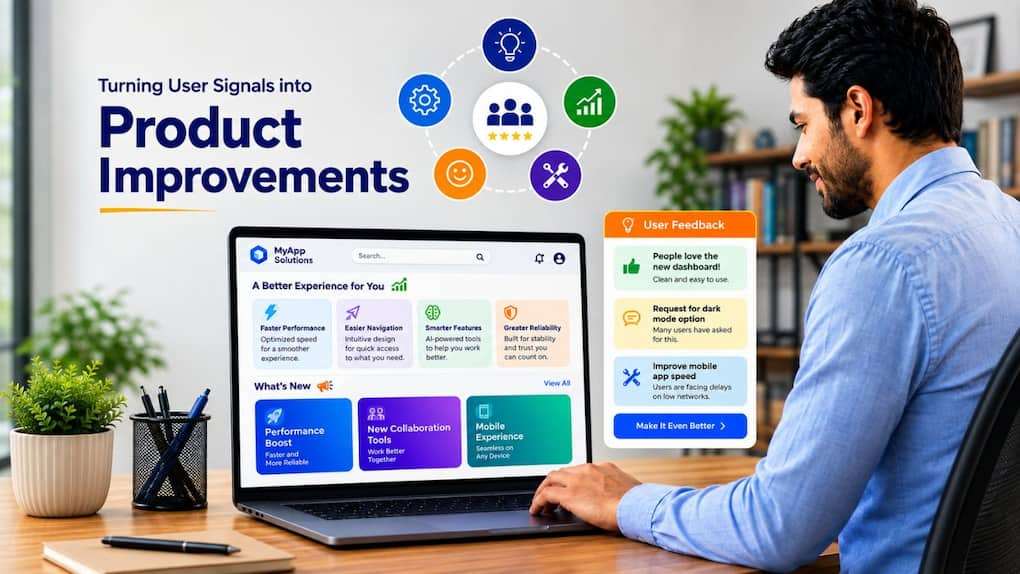
 How customer feedback, booking patterns, and technology are influencing the way hospitality platforms understand traveller needs and improve the booking journey.
It’s easy to book accommodation from an app. A user clicks a city, picks dates and compares properties and then pays. But there are a number of decisions and technology systems that work behind every successful booking.
Innovation isn’t just about adding more features for a hospitality company like Bag2Bag. It’s also about knowing what travellers really want. Customer feedback, support interactions, booking trends, and customer cancellations can provide insights. These signals are useful for the technology teams to detect the problems and enhance the booking experience.
App ratings are one of the most visible forms of feedback. Google’s In-App Review API, for example, allows Android users to submit a rating and an optional comment without leaving the app. Google recommends asking for feedback only after users have had enough time to experience the service. However, public reviews are only one part of the feedback system. Travellers also share their experiences through customer-support calls, emails, surveys and social media. Their activity inside an app produces another important set of signals.
For example, if many users leave the booking page at the payment stage, there may be a technical or communication problem. If travellers repeatedly search for early check-in, hourly rooms or serviced apartments, it could indicate an unmet need. This is where product analytics and direct customer feedback work together. Analytics reveals where a problem occurs. User comments can help explain why it occurs.
Traditional hotel-booking systems largely revolve around fixed check-in and check-out timings. However, modern travel does not always follow that pattern.
A passenger waiting between two flights may need a room for only a few hours. A professional attending a meeting may require a place to rest and work during the day. Families may look for homestays, while business travellers may prefer serviced apartments for longer visits. Bag2Bag has built its platform around such varied requirements. Along with regular hotel bookings, it provides access to hourly stays, homestays, serviced apartments, resorts, staycations and day outings. It also allows customers to pre-book food and beverages with selected stays.
The first step in using feedback effectively is to organise it. A single complaint may be related to an isolated case. When similar comments appear repeatedly, they may reveal a wider issue.
Feedback can be grouped into areas such as:
The next step is prioritisation. A confusing icon may affect convenience, while a payment failure can prevent a booking completely. Product teams generally assess how frequently a problem occurs, how many users it affects and how severely it interrupts the customer journey. After a possible solution is developed, it can be tested with a smaller user group. Teams can compare completion rates, booking time, error rates and support requests before releasing the change more widely. This creates a continuous cycle: listen, analyse, build, test and learn.
Bag2Bag as an AI-enabled hospitality platform. Artificial intelligence can help a travel platform study large amounts of data and provide more relevant recommendations.
For instance, a system may learn that a customer often books short stays near railway stations or prefers serviced apartments during business trips. With the user’s consent and suitable privacy safeguards, such patterns can make future searches faster and more useful. AI can also help classify large volumes of feedback. Natural language processing can group comments around themes such as cleanliness, payments, location or check-in. Sentiment analysis may help identify negative experiences that require immediate attention.
However, automated analysis cannot replace human judgement. A model may detect that a review is negative, but the customer-support or operations team must understand the situation and decide how it should be resolved.
Hospitality is especially dependent on trust. Customers usually book a property before seeing the room in person. They depend on photographs, descriptions, ratings and platform information. Therefore, clear property details and transparent policies are as important as advanced technology. If users regularly ask about a particular amenity, cancellation condition or check-in rule, that information should become easier to find.
Responding to feedback also shows that a platform is listening. Users may be more willing to share constructive suggestions when they can see that their input leads to meaningful changes.
No booking platform can consider its product permanently complete. Customer expectations change, new payment methods appear and travel habits evolve. Every new feature also creates new questions and opportunities for improvement. For Bag2Bag, real user feedback can act as a practical product roadmap. It helps the company look beyond assumptions and focus on problems experienced by actual travellers.
The most useful innovation may not always be the most complex technology. Sometimes it is a clearer price breakdown, a better filter, faster support or more accurate stay information. When technology is guided by genuine customer needs, it becomes more relevant and reliable

Use Disclaimer: This article is from the Brand Desk. User discretion is advised.


